contact@dbuniversity.ac.in
  +91 9435111797
From Classroom to Cosmos: Building Real-World Space Expertise
The UHF/VHF Satellite Ground Station at Assam Don Bosco University (ADBU) stands as a living laboratory where students do not merely learn space technology—they operate it.
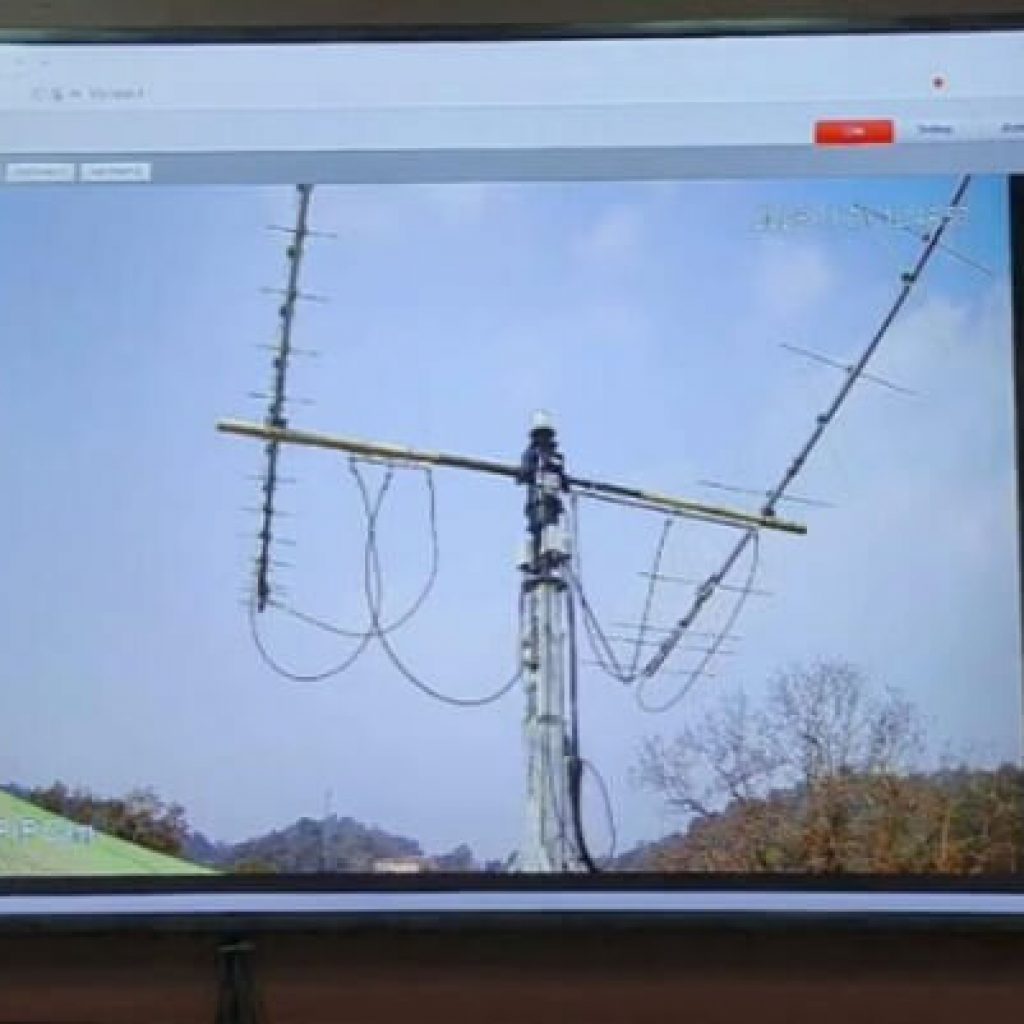
Developed and operated by ADBU students under expert mentoring and technical guidance from Dhruva Space Pvt. Ltd., the ground station has successfully demonstrated real-time satellite tracking, signal reception, and autonomous antenna control across multiple operational sessions in January 2026.
This initiative reflects ADBU’s commitment to experiential learning, industry-aligned skill development, and future-ready education in space science and technology.
Student Journey: From First Pass to Final Signal
It began with curiosity.
For many students at Assam Don Bosco University, satellites were once diagrams in textbooks and moving dots on simulation screens. The ground station changed everything.
The first step was learning how to predict satellite passes—understanding when a spacecraft would rise above the horizon, how long it would remain visible, and at what elevation the antenna needed to track it. Soon, students were scheduling real satellites and preparing the system for live operations.
Then came the defining moment.
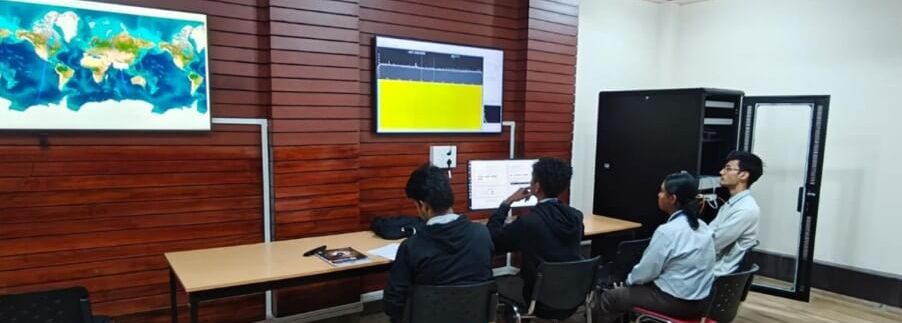
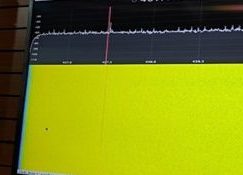
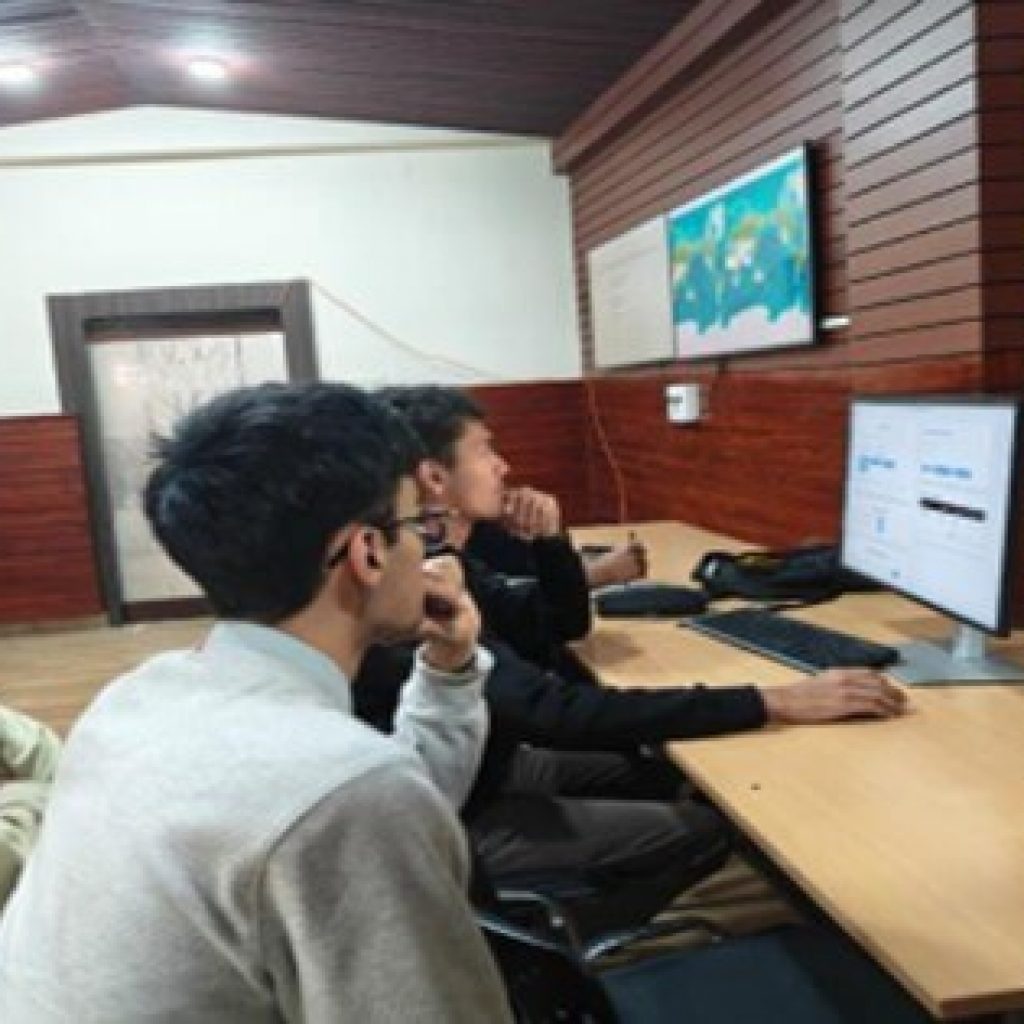
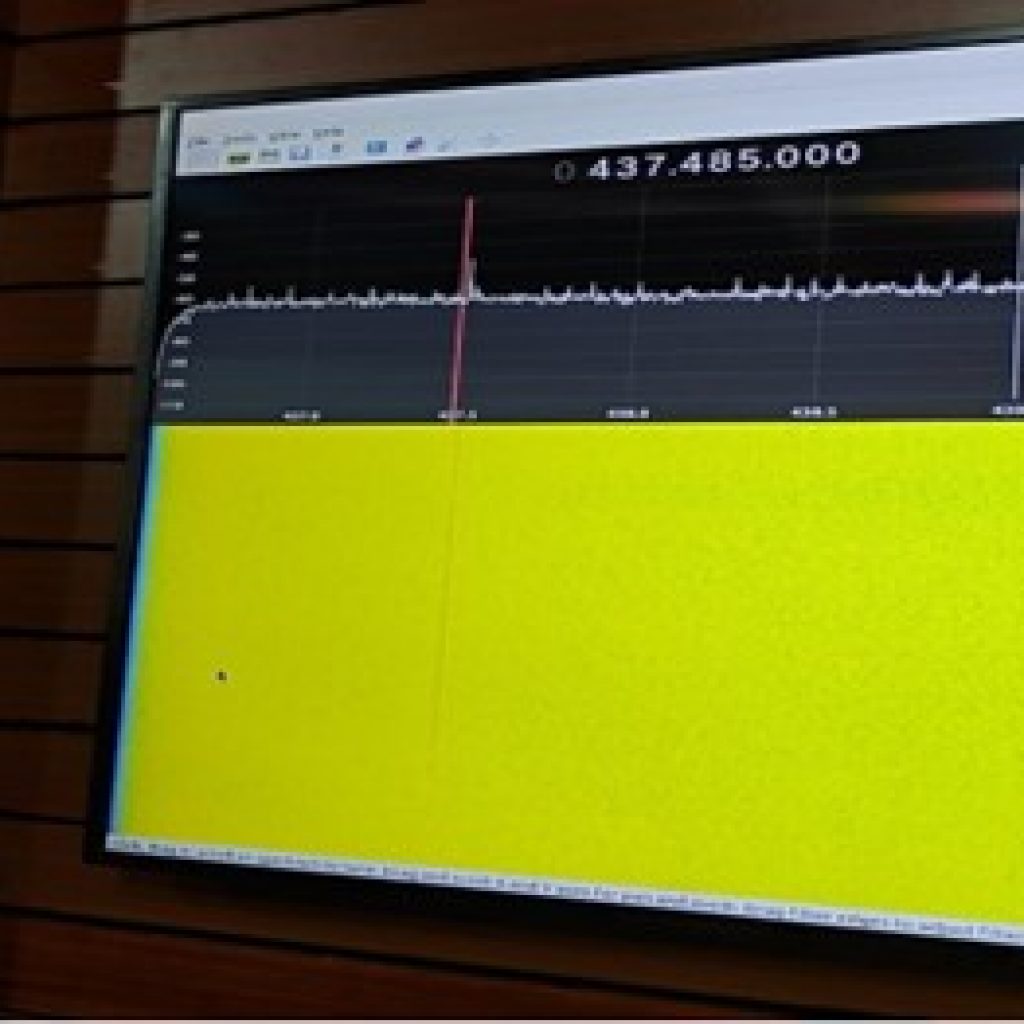
As the antenna began to move automatically, tracking a satellite orbiting hundreds of kilometres above Earth, the room fell silent. Screens filled with live frequency spectra. Moments later, a signal appeared—clear, real, and unmistakable. The first successful reception was not just a technical achievement; it was an emotional milestone.
With each session, confidence grew. Students tracked multiple satellites in a single day, observed Doppler shifts, analysed signal strength variations, and managed automated antenna control without manual intervention. What once seemed complex became familiar through practice.
By the final sessions, students were no longer learners—they were operators.
This journey from first pass prediction to final signal reception reflects the spirit of ADBU’s learning ecosystem: hands-on, future-focused, and deeply empowering. The ground station is not just preparing students for examinations—it is preparing them for the space missions of tomorrow.
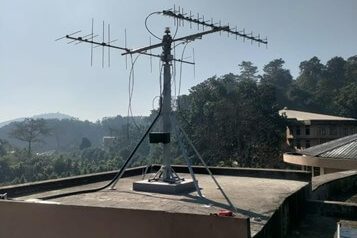
Timeline of Successful Satellite Tracking Missions
(January 2026 | ADBU Ground Station, Tapesia Campus)
21 January 2026
Satellites Successfully Tracked
- UNISAT-7
- International Space Station (ISS)
- CubeBug-2
- KSM1-A
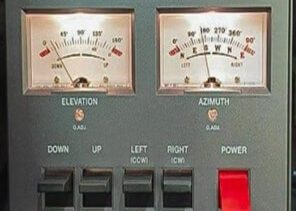
Students executed real-time antenna alignment and SDR-based signal detection, validating downlink reception through professional ground-station workflows.
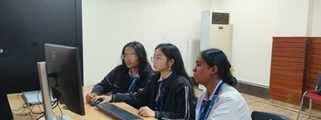

24 January 2026
Satellites Successfully Tracked
- UNISAT-7
- CSC-2
- KSM1-B, KSM1-C, KSM1-D
- UWE-4
- BUGSAT-1
- CUTE-1 (Mode-U)
- KKS-1 (KISEKI)
- XIWANG-1
- MIMAN (Yonsei CubeSat)
- TIGRISAT
- STEP Cube Lab-II
- CubeSat XI-V
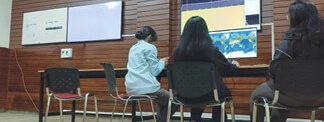
This session showcased fully automated tracking, Doppler-shift observation, and multi-satellite scheduling—handled end-to-end by students.
27 January 2026
Satellites Successfully Tracked
- EYESAT-1 (AO-27)
- SHINSEI (MS-F2)
- LES-1
- VELOX-P11
- PROSPERO (Black Arrow X-3)
- SOLRAD-7B
- UoSAT-2
- OSCAR-7
- SARAL
- XIWANG-1
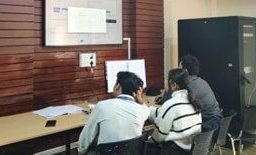
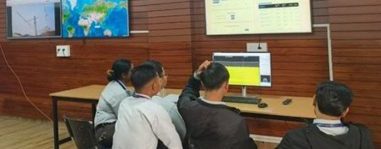
Students demonstrated advanced competency in pass prediction, autonomous antenna motion, and real-time signal validation under live conditions.
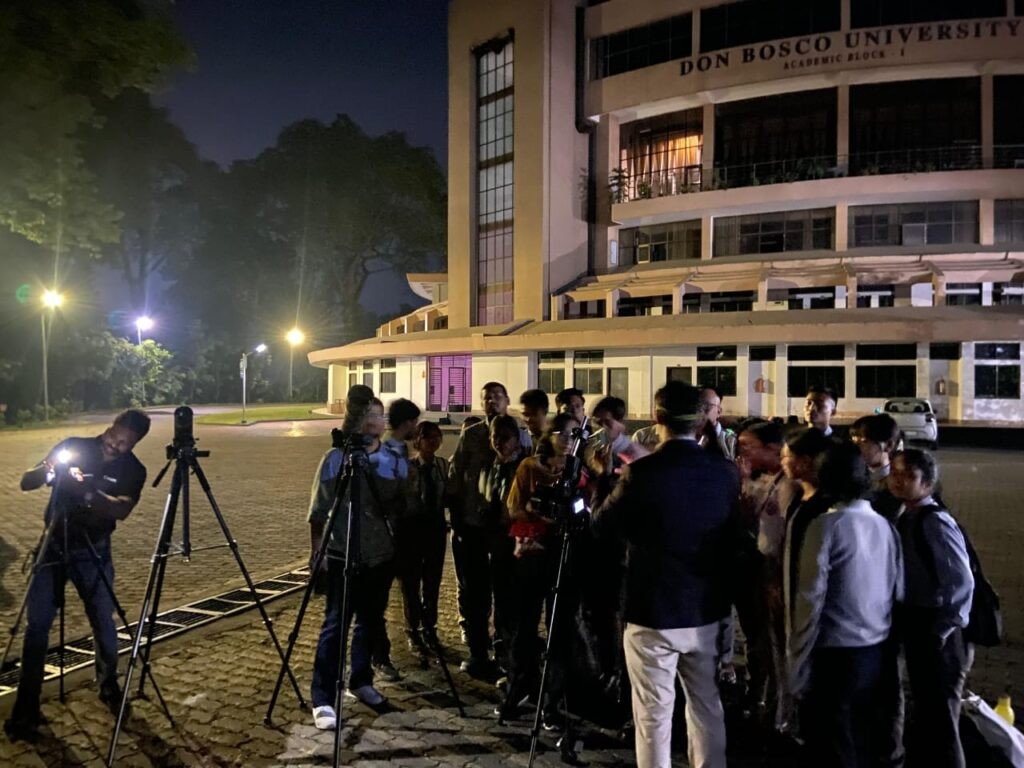
Insert some students operating photos (Photo 10, 8 and 13)
28 January 2026
Satellites Successfully Tracked
- UNISAT-70
- LES-1
- SOLRAD-7B
- KSM1-C
- TRANSIT-5B-5
- RANDEV (ASTRIS-2)
- MIMAN
- CUTE-1.7 + APD-II
- STEP Cube Lab-II
- SEEDS-II
- HORYU-IV
- TECHSAT-1B
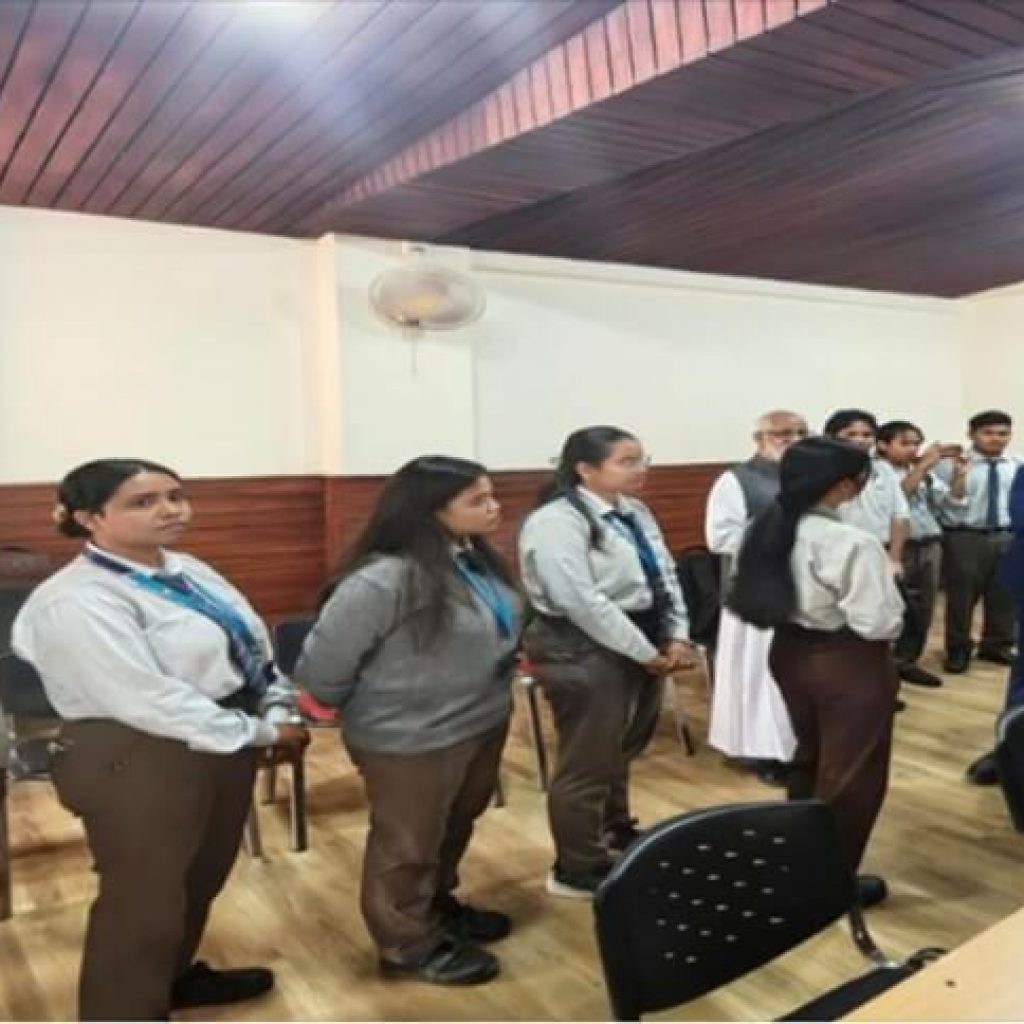
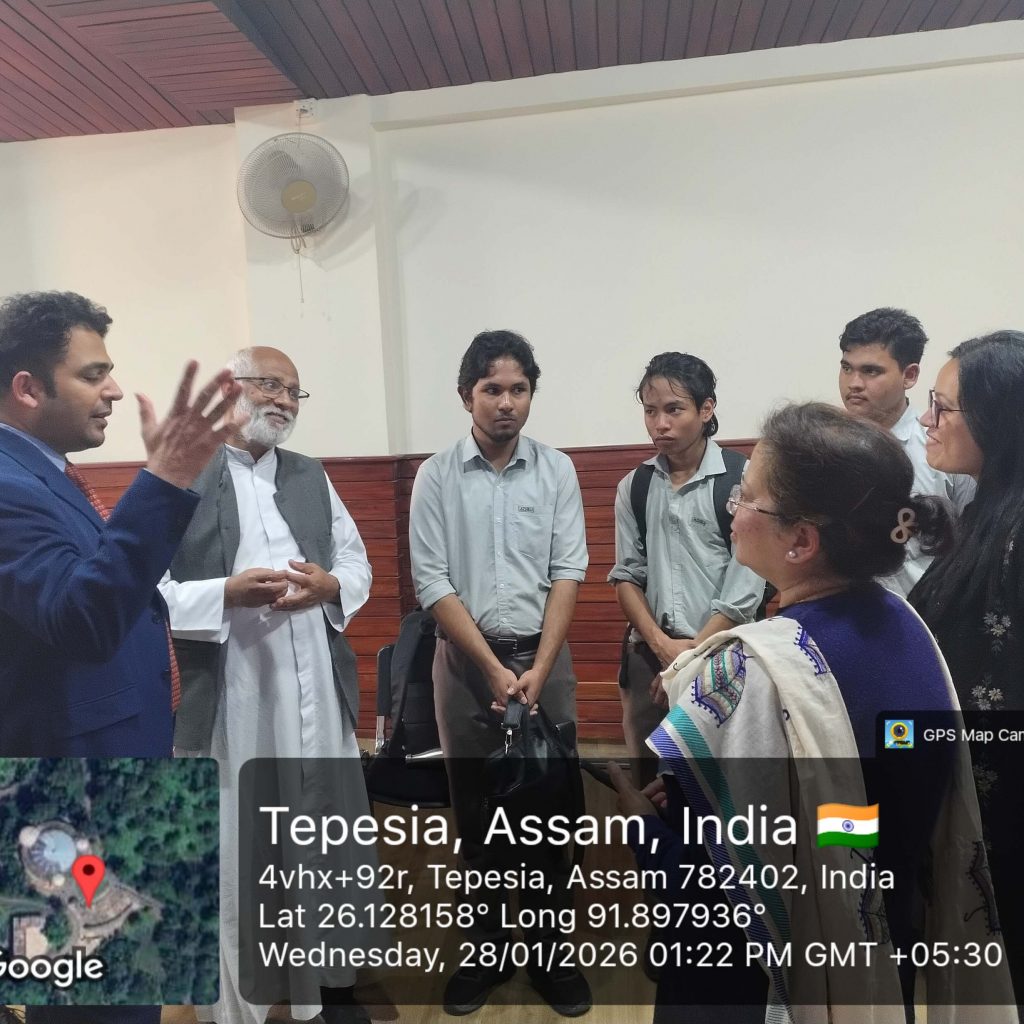
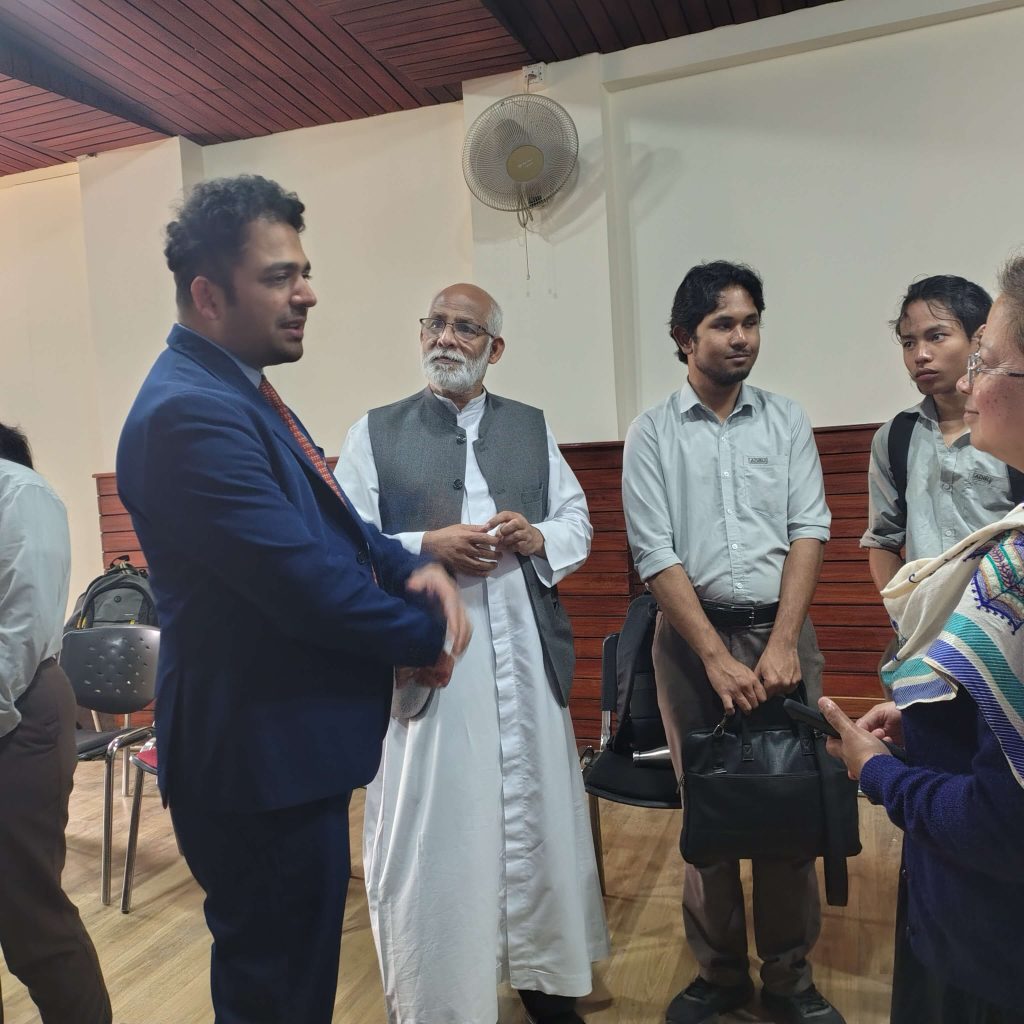
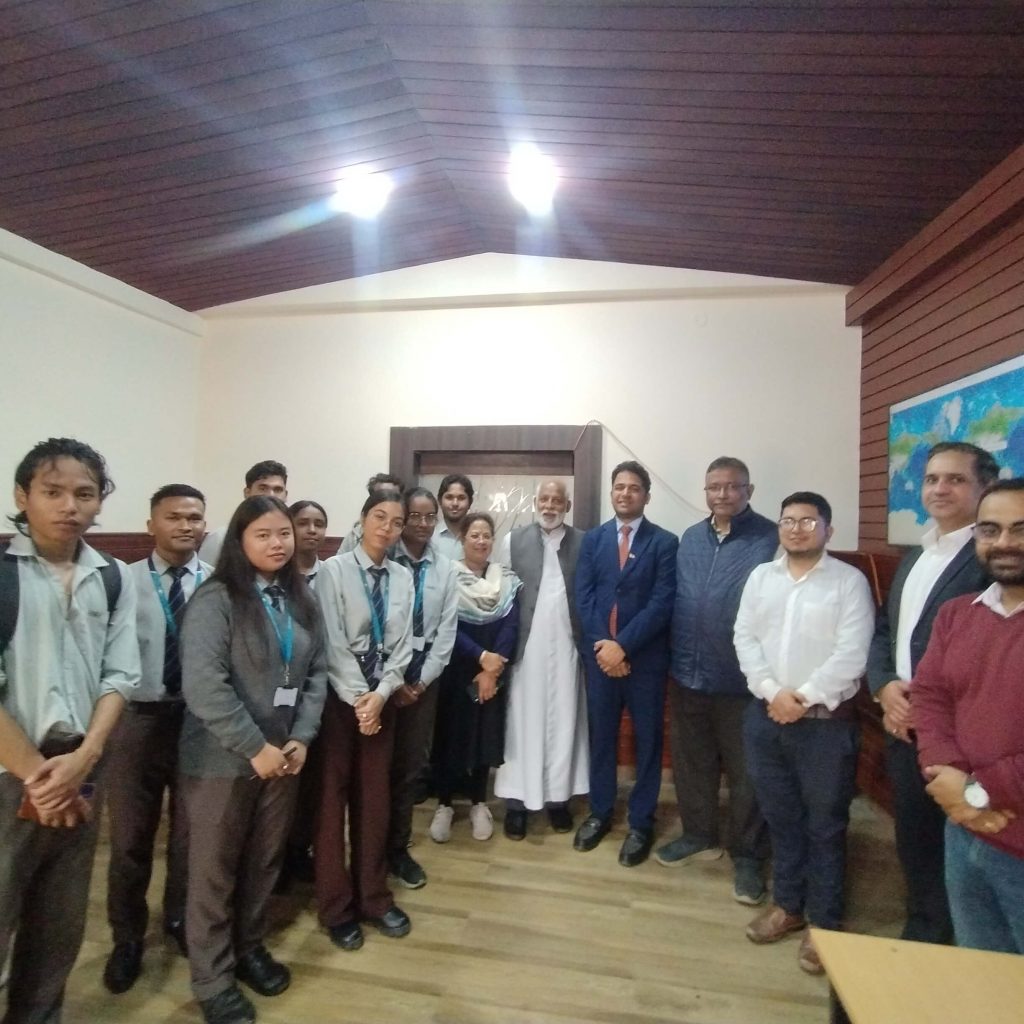
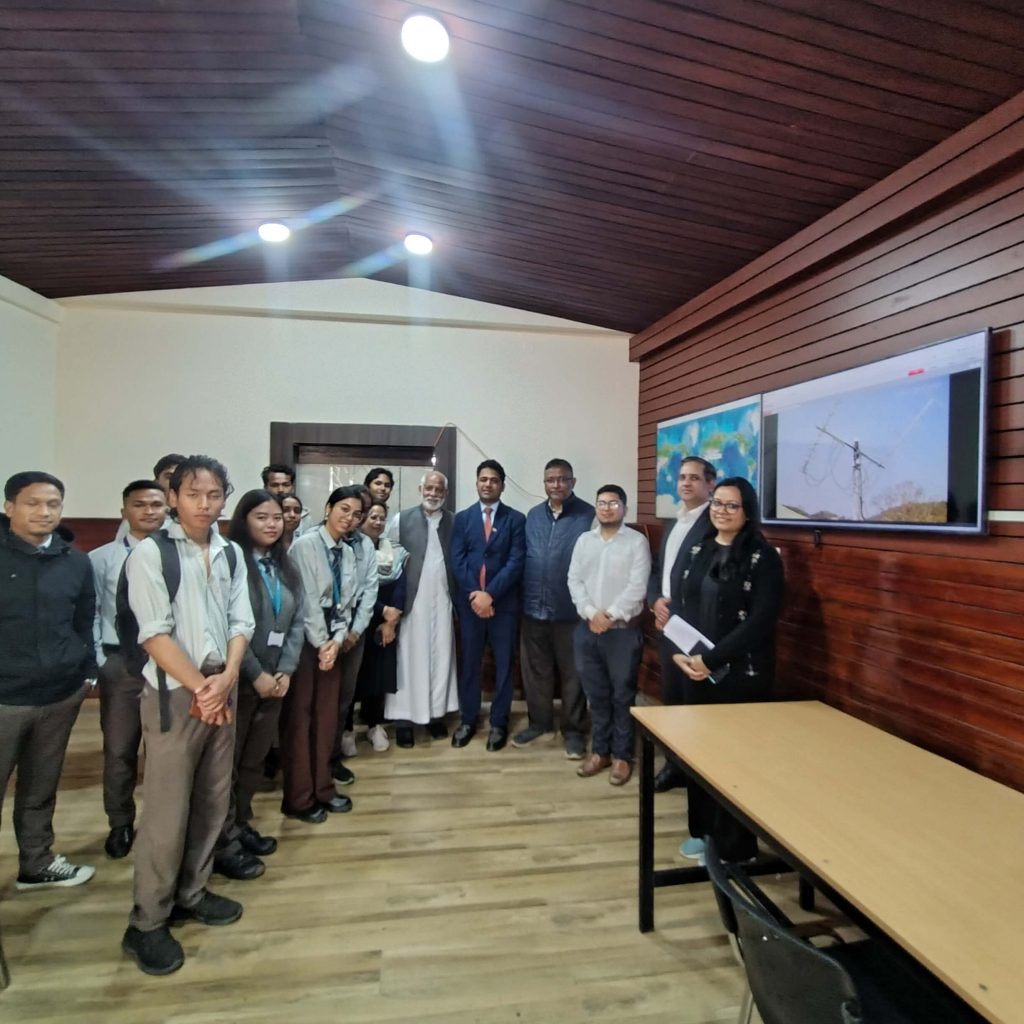
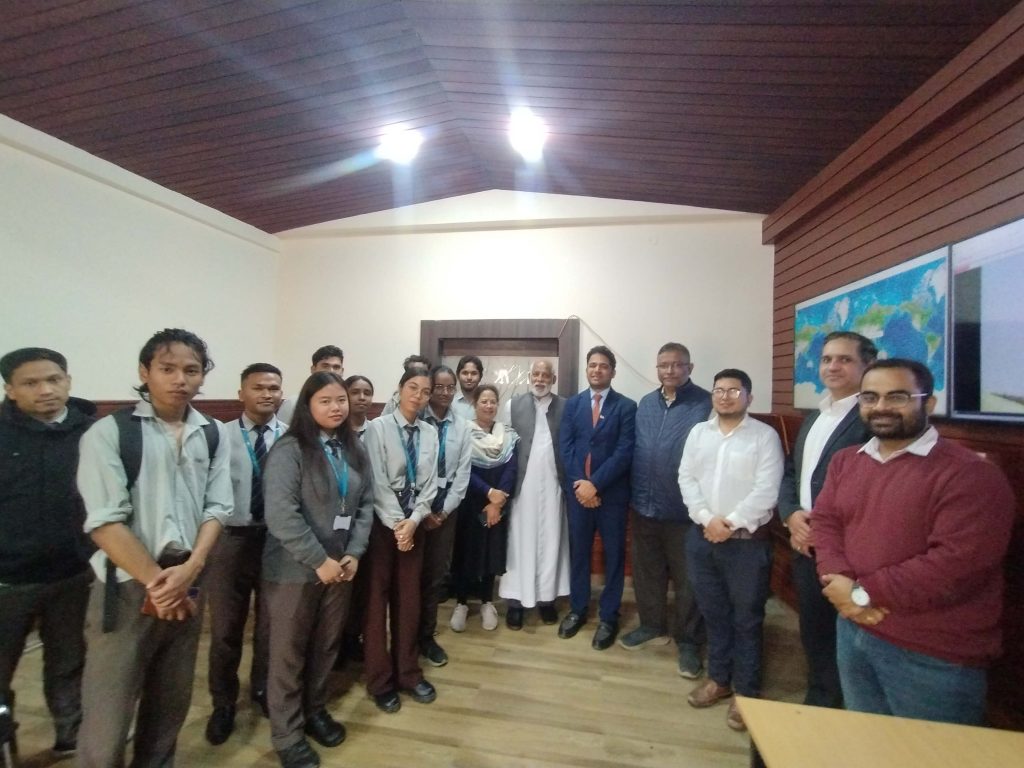
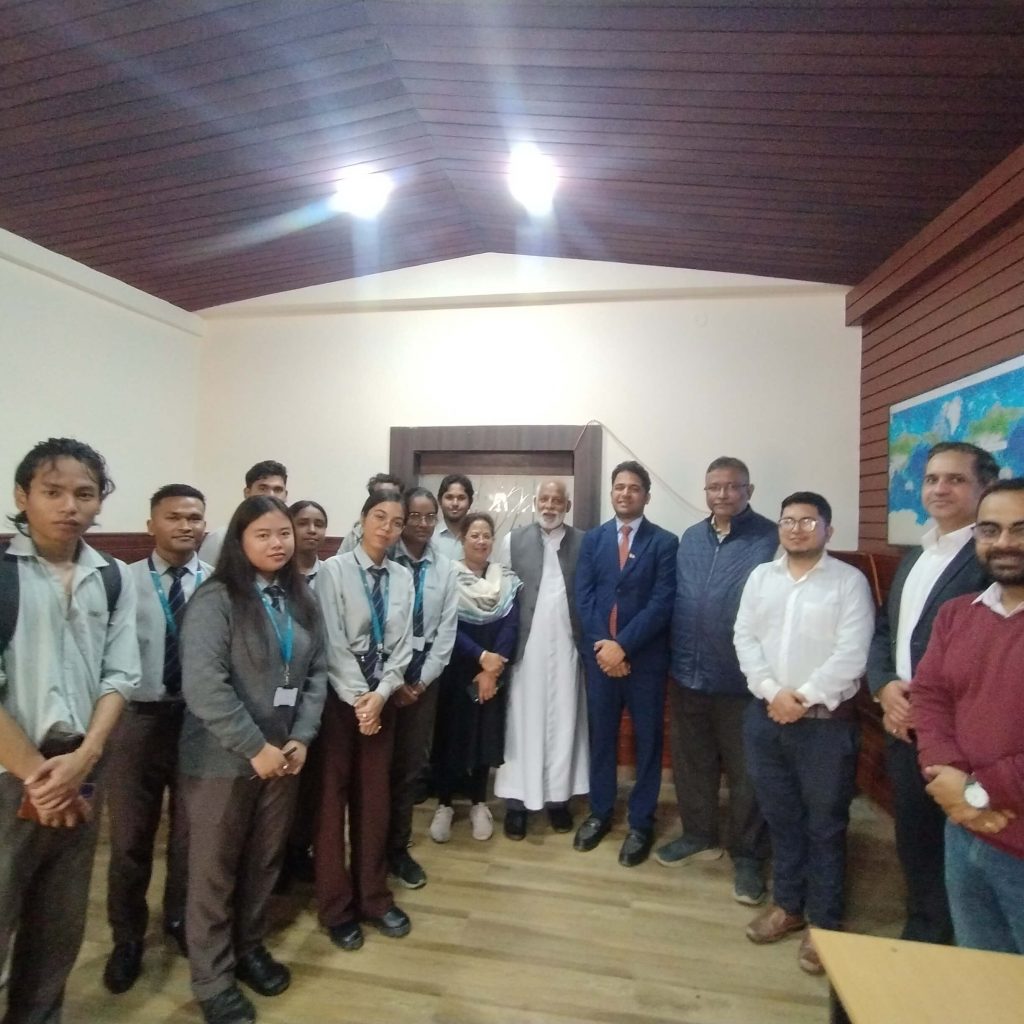
During this session, the ground station was visited by senior leadership from Dhruva Space, who observed live antenna motion, real-time signal reception, and autonomous tracking, affirming the operational maturity of the student-run facility.
Why ADBU’s Ground Station Experience Is Unique
🔹 Real Satellites, Real Signals
Students work with live satellites in orbit—not simulations or recorded data.
🔹 Industry-Aligned Training
Ground station operations follow professional workflows used in modern space missions.
🔹 Student-Driven Operations
From scheduling passes to analysing signals, students take full operational responsibility.
🔹 Interdisciplinary Skill Development
Electronics, communication systems, software tools, physics, and data analysis come together in one platform.
🔹 Future-Ready Careers
This exposure builds confidence and competence for careers in satellite communication, space missions, and advanced research.
Student Testimonials: Voices from the Ground Station
“As an ECE student, we usually study antennas and communication systems through diagrams and equations. At the ADBU ground station, we controlled a real UHF/VHF antenna, tracked satellites autonomously, and received live downlink signals. Seeing theory transform into real-time operation changed how we understand communication systems. This experience has prepared us for industry-level challenges and strengthened our confidence as future engineers.”
— Subhasana Baruah, B.Tech Electronics & Communication Engineering Student, ADBU
Physics Perspective
“Observing Doppler shift and signal variation in real time was an exciting moment for me as a physics student. Seeing theory unfold through live satellite passes made learning deeply meaningful and unforgettable.”
— Dipali Bhowmick, M.Sc Physics
M.Sc / Interdisciplinary Student
“Working at the ground station taught us how interdisciplinary space science truly is. We learned to coordinate software tools, hardware systems, data analysis, and teamwork under real operational conditions. ADBU provided an environment where we could experiment, make decisions, and learn from live missions. This experience has transformed us into more confident and capable learners.”
— Postgraduate Student, ADBU
“When we heard the first signal coming from a satellite orbiting Earth, there was complete silence in the room—followed by excitement and disbelief. At that moment, we realised how far we had come. ADBU gave us the space, trust, and mentorship to turn curiosity into capability. This experience didn’t just teach us technology—it made us believe in ourselves.”
— Student Team, ADBU Satellite Ground Station
Technical Version (Precise, Professional)
“The ground station operations provided hands-on exposure to satellite pass prediction, automated antenna control, SDR-based signal acquisition, and Doppler shift analysis. Students independently configured tracking software, monitored real-time downlink frequencies, and validated satellite passes. This practical training closely mirrors professional ground station operations used in contemporary space missions.”
— Student Participants, ADBU
From the Vice Chancellor’s Desk
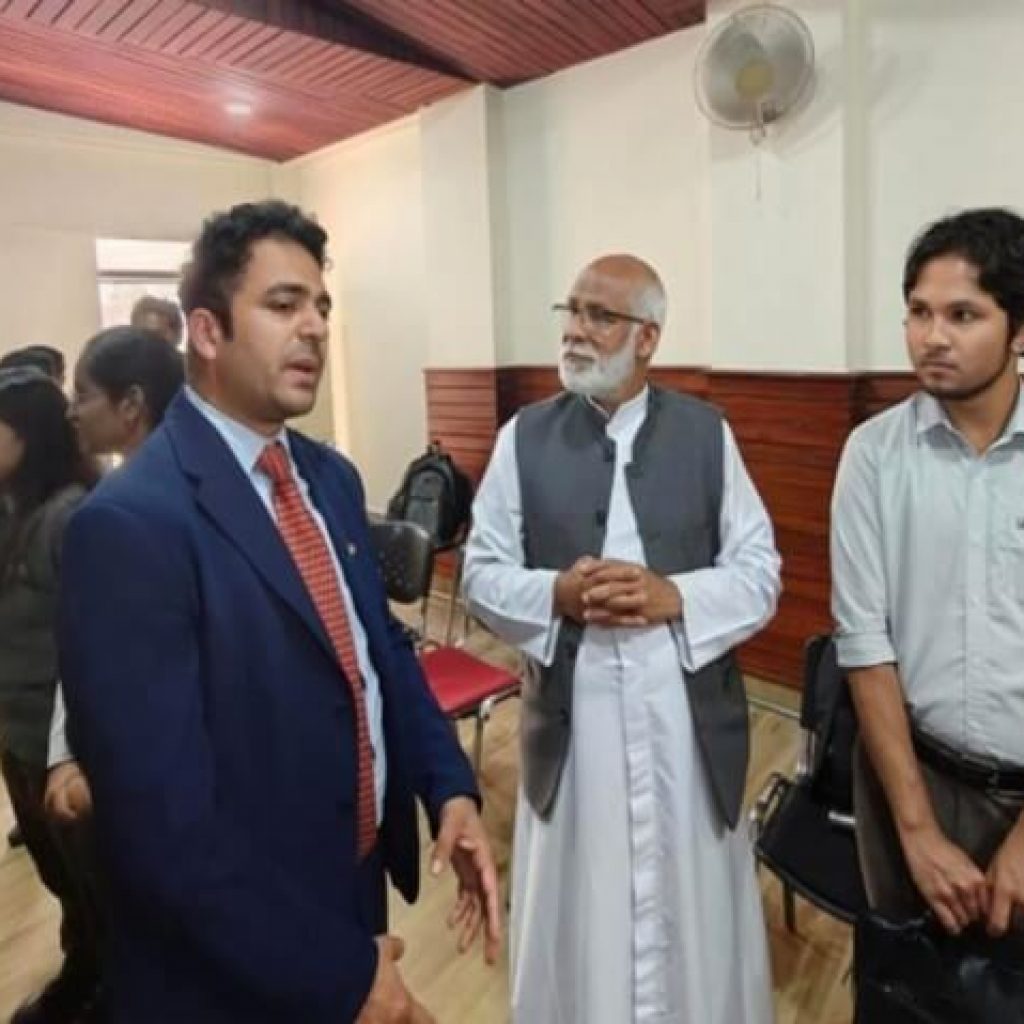
“At Assam Don Bosco University, we believe that education must empower students to engage with the future, not merely study it. The student-led satellite ground station is a remarkable example of how young minds can achieve excellence when provided with the right environment, guidance, and trust. I am proud of our students and faculty for transforming learning into real world capability and for nurturing innovation in space science and technology.”
— Rev. Fr. Dr. Jose Palely, Vice Chancellor, Assam Don Bosco University
Faculty / Industry Mentor Perspective
“What makes this initiative special is that students are not following a scripted lab—they are managing real satellite passes with real consequences. The ground station at ADBU is shaping students who can think critically, work collaboratively, and operate advanced space systems with confidence.”
— Faculty Coordinator, Space & Satellite Systems, ADBU
Industry Mentor Quote (Dhruva Space)
“The level of technical understanding and operational discipline demonstrated by the students at ADBU is commendable. Their ability to independently handle satellite tracking, antenna control, and signal monitoring reflects strong foundational training and hands-on exposure. This is exactly the kind of ecosystem needed to build future-ready talent for the space sector.”
— Industry Mentor, Dhruva Space Pvt Ltd