contact@dbuniversity.ac.in
  09476 690 950/ 08011 403 982
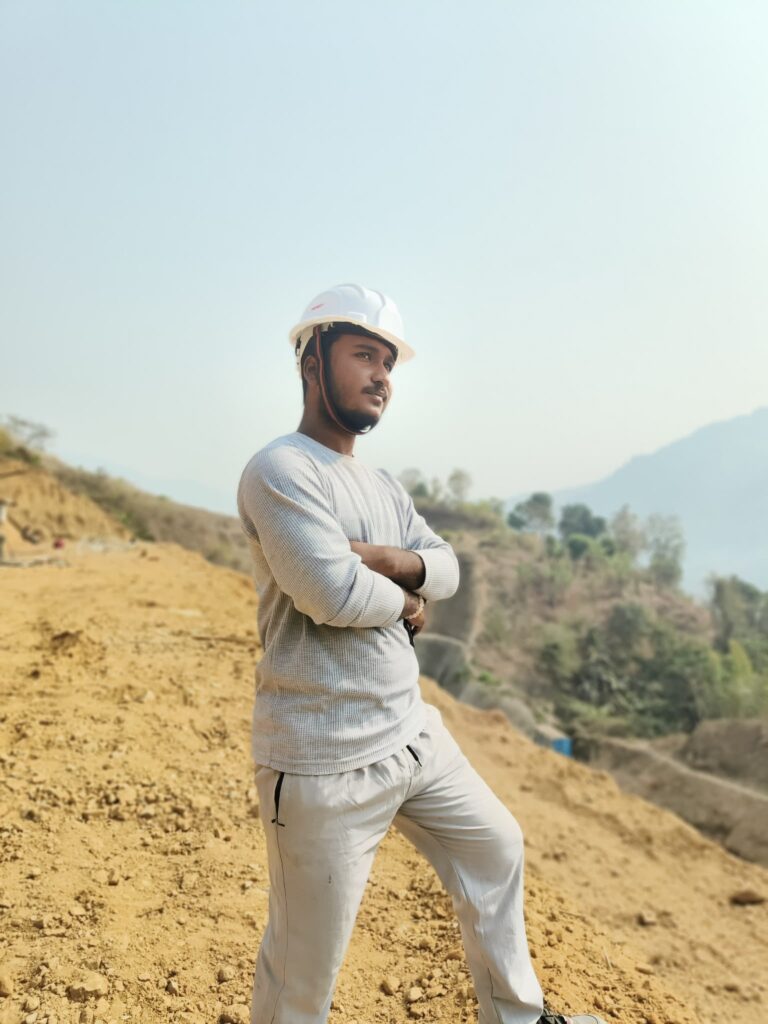
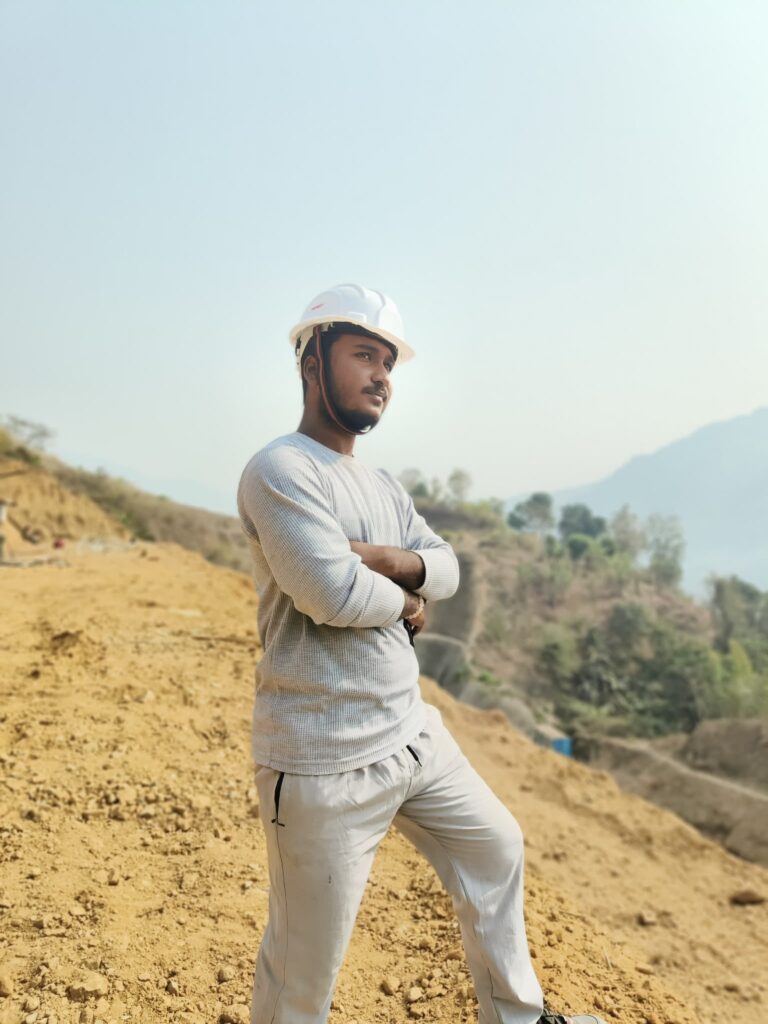
As a Civil Engineering student at Assam Don Bosco University, I have always believed that practical exposure plays a vital role in shaping a successful engineer. Classroom learning builds the foundation, but real growth begins when we apply that knowledge on-site, where every day brings new challenges, decisions, and learning opportunities. My journey from internship to placement was full of valuable experiences that helped me understand the true meaning of engineering. It taught me that civil engineering is not only about theories, drawings, and calculations, but also about solving real problems in difficult and changing site conditions. During my training period, I got the opportunity to work on a tunnel construction project. Initially, the project was planned as an open tunnel using the cut-and-cover method. However, due to natural challenges such as landslides and unstable ground conditions, the original plan had to be revised. Instead of continuing with a risky approach, the construction method was changed to slope cutting, supported by slope protection measures and retaining wall structures to ensure safety, stability, and long-term protection of the site. One of the important techniques I learned during this phase was the 1:1 bench cutting method, where the slope is cut into stepped levels to reduce the risk of failure and improve stability. I also gained practical exposure to advanced slope stabilization techniques such as SDR bolting to reinforce weak rock and provide anchorage, grouting to fill voids and improve ground strength, and shotcreting to provide a protective concrete layer over the slope surface. This experience gave me a clear understanding of how modern engineering methods are used to prevent landslides and improve safety in hilly terrain. The landslide issue created serious challenges during construction, and it was inspiring to see how the engineering team adapted to the situation by modifying the design and choosing a safer construction approach. The decision to shift from an open tunnel method to slope cutting helped me understand one of the most important lessons in civil engineering: site conditions often demand quick thinking, practical judgment, and flexible design solutions. I also had the opportunity to observe tunnel blasting operations, where I learned about drilling patterns on rock surfaces, placement of explosives, safety precautions, and controlled blasting techniques. This exposure helped me understand how tunnels are constructed in difficult terrain and why safety is one of the most important aspects of construction work. Apart from technical knowledge, my internship also helped me develop professional and management skills. I learned how to communicate respectfully with workers, supervisors, and senior engineers on-site. Managing people who were older and more experienced than me was initially challenging, but it taught me the value of respect, confidence, and clear communication. I was also involved in daily work reporting, documentation, record keeping, and time management, which helped me understand that civil engineering requires not only technical knowledge but also strong organizational and leadership skills. My site experience helped me grow both professionally and personally. I learned how to work under pressure, especially during strict deadlines, and developed the ability to stay calm during serious situations and respond responsibly during minor site incidents. These experiences improved my confidence, decision-making ability, and sense of responsibility. Along with my internship, I continued working on improving my technical and practical knowledge, and my dedication, discipline, and consistent effort helped me perform well during interviews. Finally, I received my first job offer from Onycon Infrastructure as a Junior Civil Engineer for their Manipur project in Noney, Manipur. This was a proud and memorable moment in my journey and the result of hard work, practical learning, and perseverance. My internship journey taught me that real engineering begins when we face real challenges. From dealing with landslides and slope protection to learning tunnel blasting and site management, every experience contributed to my growth as a future civil engineer. A successful engineer is not defined only by technical skills, but also by the ability to stay calm under pressure, ensure safety, make practical decisions, and lead effectively in challenging situations. To my juniors, I would say: take your internships seriously, focus on practical learning, ask questions, observe carefully, and keep improving your skills. The knowledge you gain on-site can become the foundation of your career success.
Written by
Surojeet Kar, B.Tech Civil Engineeering, 8th Semester