contact@dbuniversity.ac.in
  09476 690 950/ 08011 403 982
Department of Botany
Assam Don Bosco University
Tour Dates: 4th – 12th January 2026
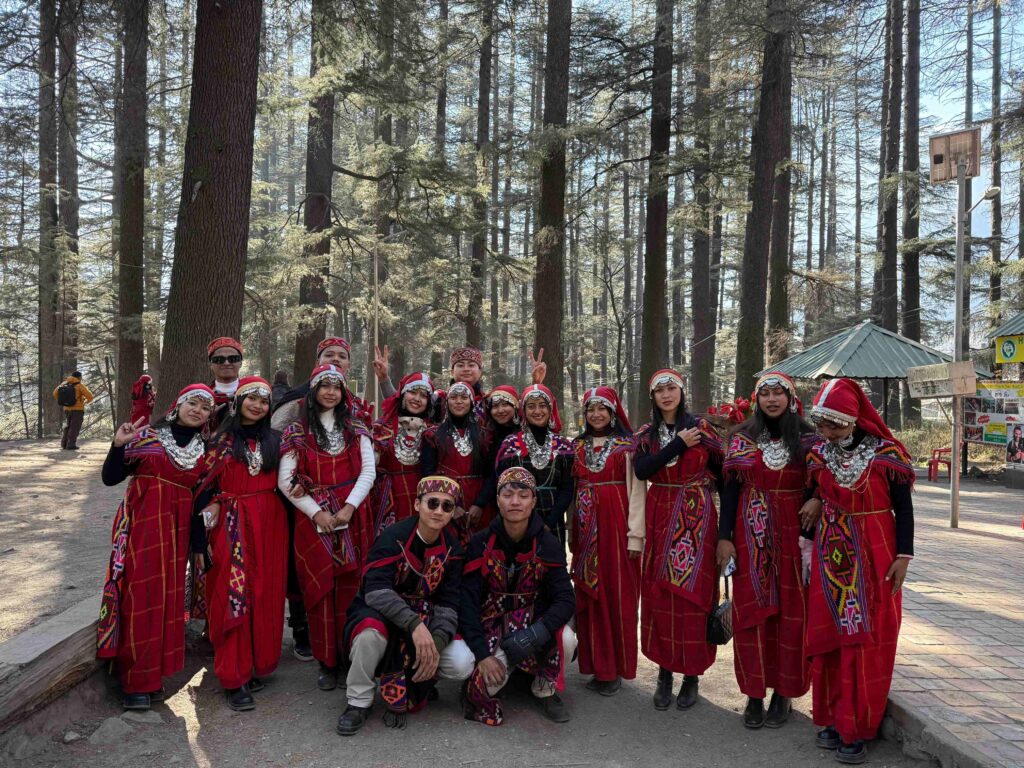
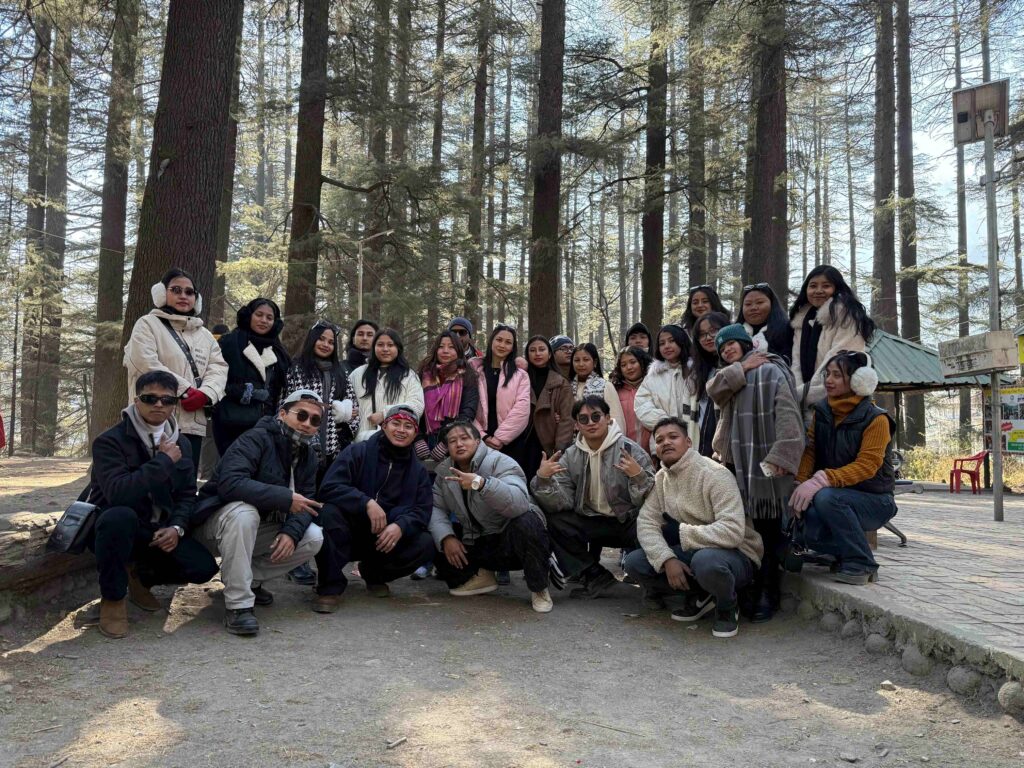
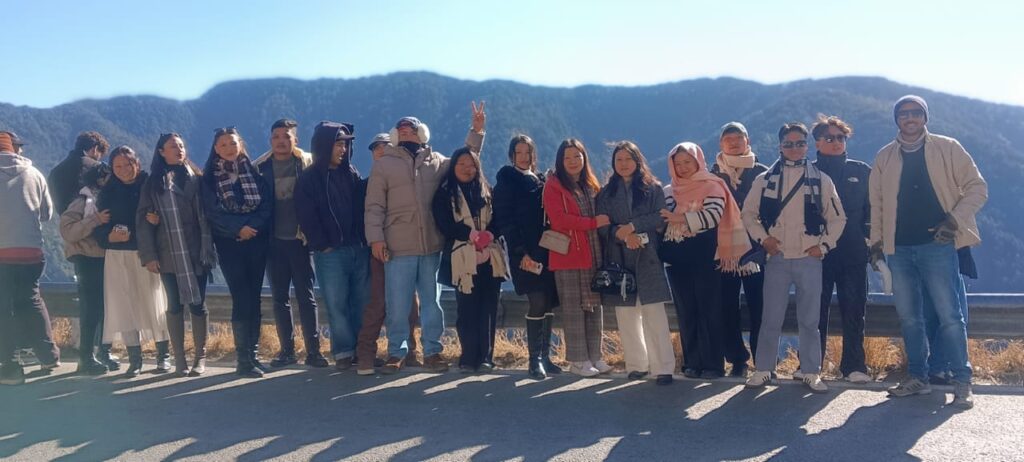
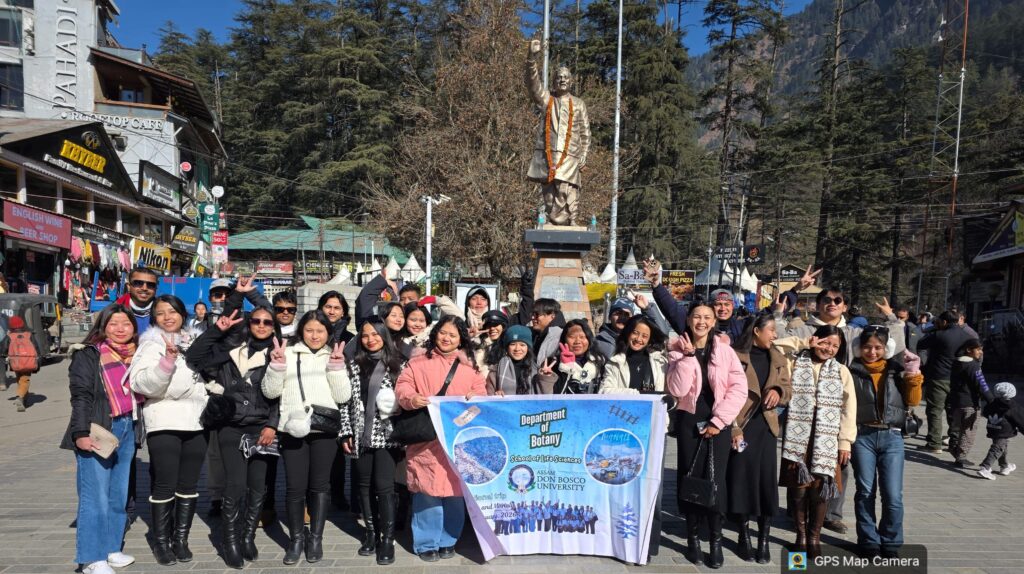
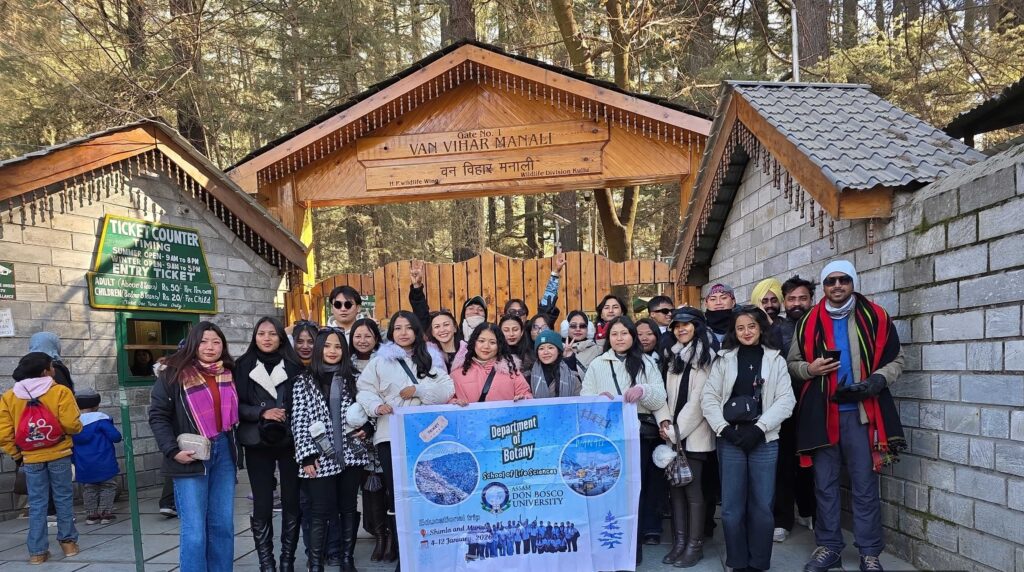
The Department of Botany, Assam Don Bosco University, successfully organized an educational tour to Shimla and Manali from 4th to 12th January 2026. The tour was designed to provide students with experiential learning opportunities, exposure to Himalayan biodiversity, and an understanding of ecological conservation practices in hill ecosystems. The journey commenced from Kamakhya Railway Station on 4th January aboard the Brahmaputra Mail to Delhi, marking the beginning of an enriching academic excursion.
Shimla: Exploring Heritage and Ecology
Upon arrival in Delhi, the group proceeded by road to Shimla, the capital city of Himachal Pradesh. Students explored:
- Viceregal Lodge (Indian Institute of Advanced Study)
- Kalibari Temple
- Himachal State Museum
- The Ridge and Mall Road
- Kufri Valley
- Himalayan Bird Park
- Shimla Reserve Forest Sanctuary
The visit provided valuable insights into Himalayan flora, avifauna, and conservation initiatives, aligning with the academic interests of botany students.
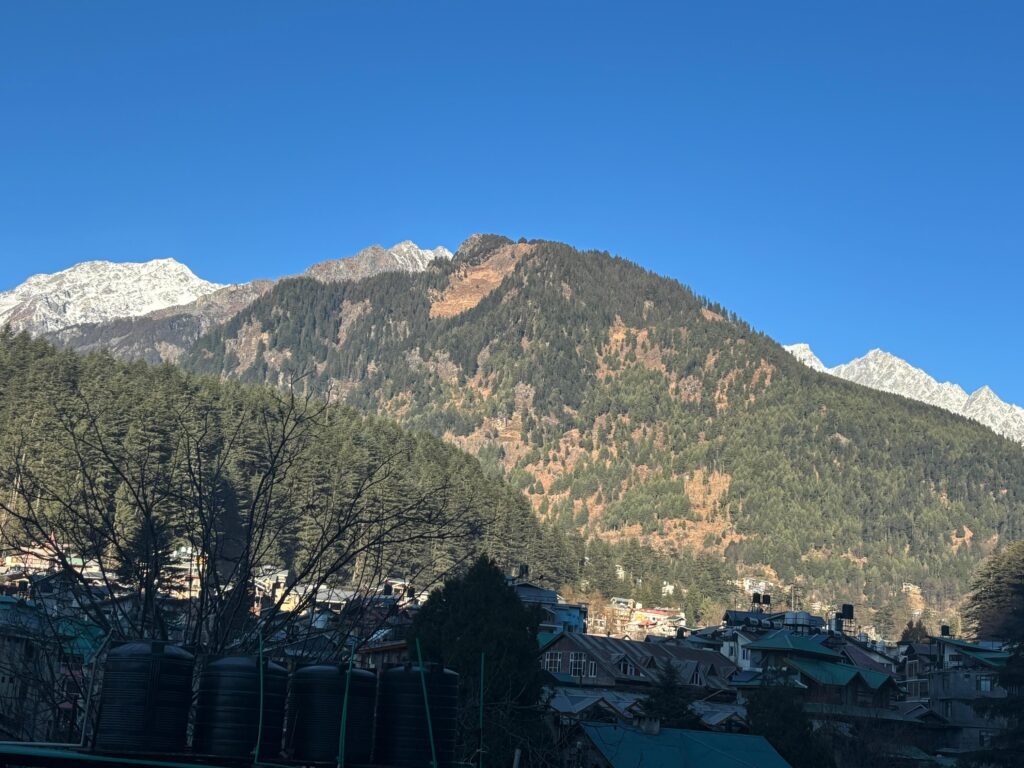
Manali: Himalayan Biodiversity and Natural Landscapes
The group then travelled to Manali for further exploration. Major highlights included:
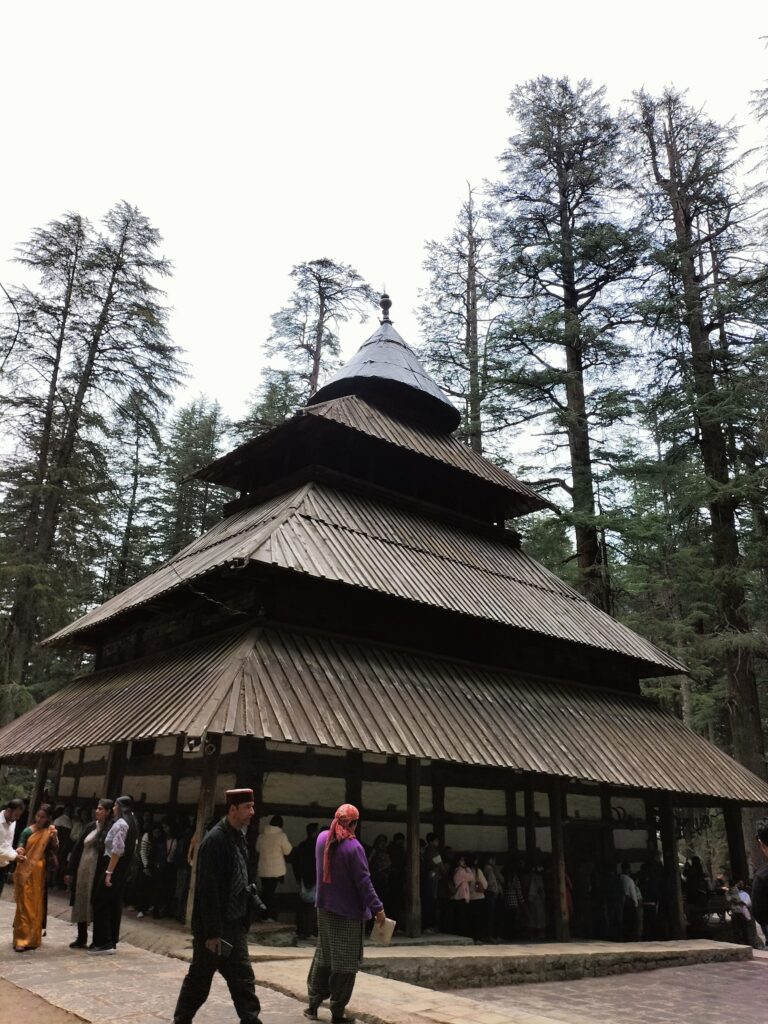
- Hadimba Devi Temple
- Manali Wildlife Sanctuary & Van Vihar
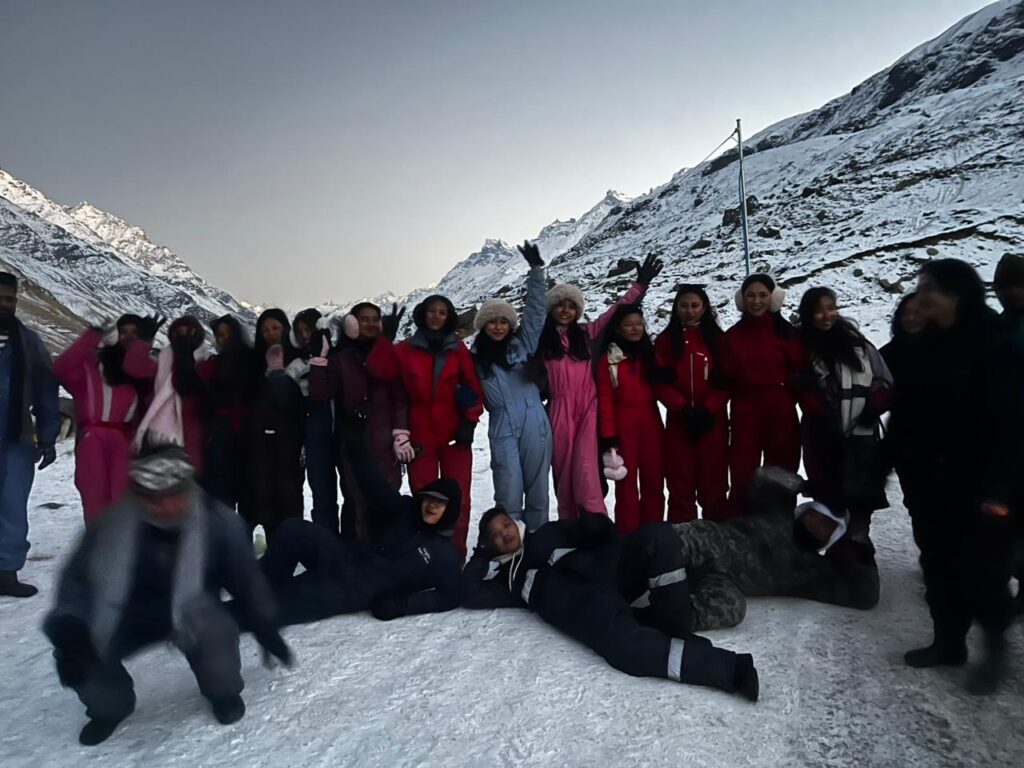
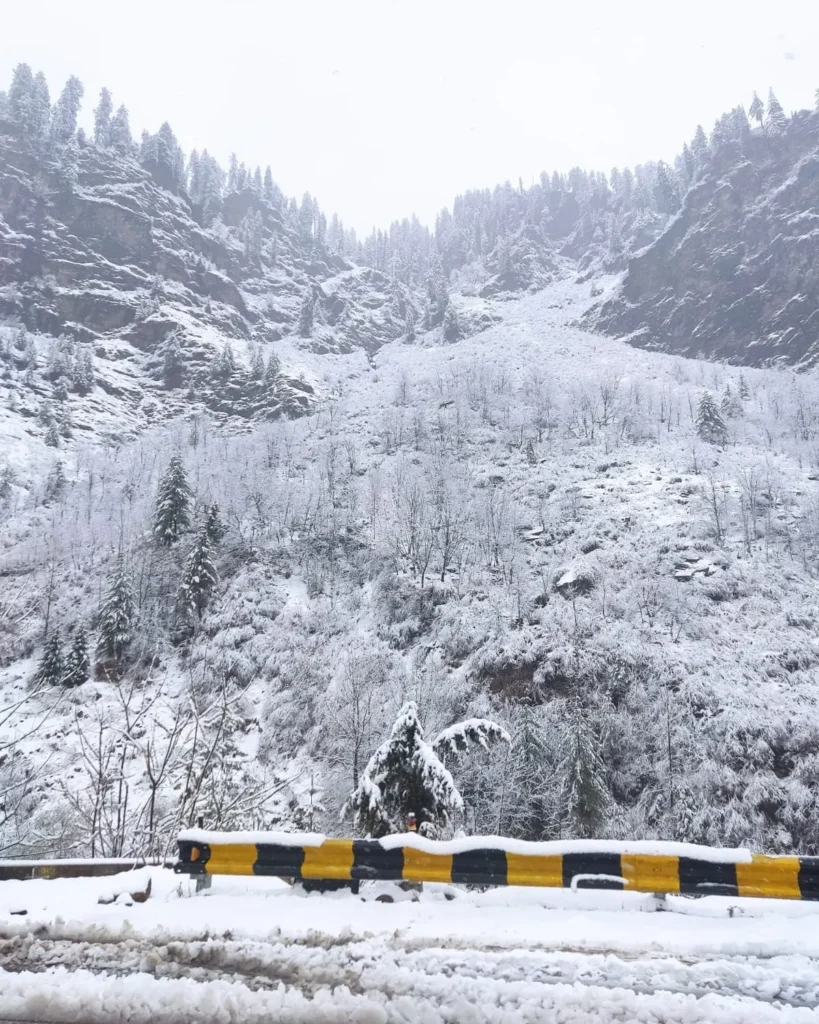
- Solang Valley
- Local Monasteries and Mall Road
Students observed alpine vegetation, mountainous ecosystems, and conservation practices in protected forest areas. The excursion strengthened their understanding of biodiversity distribution in cold desert and temperate ecosystems.
Academic and Experiential Outcomes
The educational tour successfully combined recreation with academic enrichment. Students gained:
- First-hand exposure to Himalayan ecosystems
- Awareness of conservation efforts and forest management
- Practical understanding of ecological gradients and vegetation patterns
- Team-building and leadership experience
The Shimla–Manali Educational Tour (4–12 January 2026) proved to be academically enriching, particularly for students of Botany, as it offered real-time exposure to Himalayan ecosystems and temperate vegetation types that differ significantly from the flora of Northeast India.
🌿 1. Understanding Himalayan Vegetation and Ecological Gradients
Students observed distinct altitudinal zonation of vegetation, including temperate forests, coniferous species, alpine flora, and cold desert plant adaptations. The transition from lower hill vegetation in Shimla to higher altitude ecosystems in Manali enabled students to understand ecological gradients, climatic influence on plant distribution, and adaptive morphological traits.
This direct exposure strengthened classroom concepts related to:
- Plant ecology
- Phytogeography
- Forest types of India
- Biodiversity patterns in mountainous regions
🌲 2. Exposure to Forest Conservation and Wildlife Sanctuaries
Visits to the Shimla Reserve Forest Sanctuary and Manali Wildlife Sanctuary & Van Vihar National Park provided students with insights into:
- Forest conservation strategies
- Protected area management
- Native vs. introduced plant species
- Sustainable tourism practices in fragile ecosystems
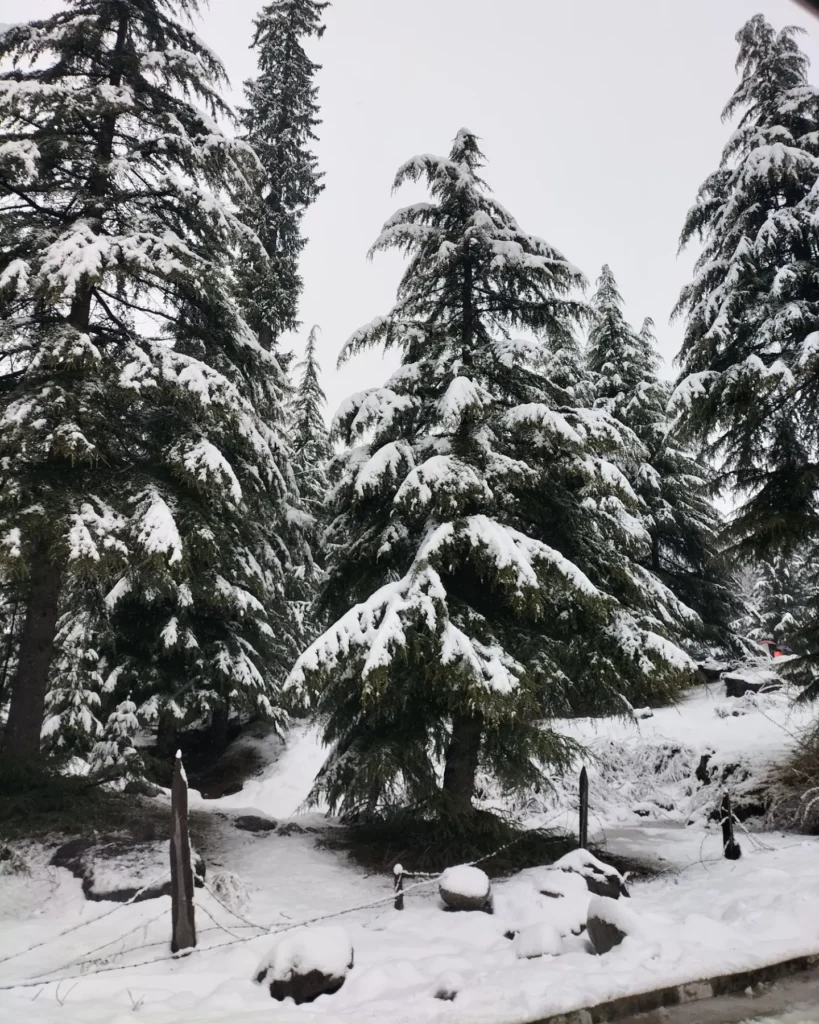
Students observed coniferous species such as deodar (Cedrus), pine (Pinus), and fir (Abies), enhancing their practical identification skills beyond textbook learning.
🌸 3. Study of Alpine and Temperate Plant Adaptations
During excursions to Kufri Valley, Solang Valley, and nearby high-altitude regions, students noted plant adaptations such as:
- Needle-like leaves in conifers
- Thick bark and resin production
- Dwarf growth forms
- Seasonal dormancy
Such observations deepened their understanding of plant physiology and structural adaptations under extreme climatic conditions.
🌏 4. Linking Theory with Field-Based Learning
The tour allowed students to integrate theoretical knowledge from subjects such as:
- Plant Taxonomy
- Ecology
- Environmental Biology
- Biodiversity Conservation
- Forest Botany
Field exposure enhanced analytical thinking, observation skills, and ecological interpretation—essential competencies for aspiring researchers and environmental professionals.
🔬 5. Research Orientation and Scientific Curiosity
The interaction with diverse ecosystems stimulated research interest among students. They were able to:
- Compare Himalayan flora with Northeast Indian vegetation
- Identify potential research topics related to climate adaptation
- Understand the importance of long-term ecological monitoring
The tour encouraged students to think critically about climate change, habitat loss, and conservation challenges in mountain ecosystems.
🤝 6. Holistic Development
Beyond academics, the educational tour promoted:
- Teamwork and leadership
- Environmental responsibility
- Cultural exposure
- Practical planning and discipline
Such experiential learning contributes significantly to shaping environmentally conscious and scientifically informed graduates.
The Department expresses its heartfelt gratitude to the faculty members in charge, Dr. Toshinungla Ao and Dr. Bikash Kalita, alongwith the travel partners, for ensuring the safe and successful completion of the tour.