contact@dbuniversity.ac.in
  09476 690 950/ 08011 403 982
Northeast India is one of the richest biodiversity hotspots in the world, home to a vast array of medicinal plants that have been used for centuries in traditional healthcare systems. These herbal plants not only contribute to the region’s cultural heritage but also provide valuable therapeutic benefits due to their rich composition of bioactive compounds such as polyphenols, flavonoids, alkaloids, terpenoids, saponins, and glycosides. These compounds are known for their antioxidant, anti-inflammatory, antimicrobial, and health-promoting properties
Here are five remarkable herbal plants native to Northeast India that continue to play an important role in traditional medicine and human well-being.
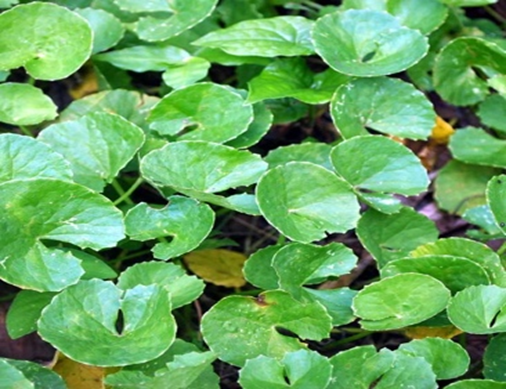
Centella asiatica (Manimuni): The Memory Enhancer
Centella asiatica, commonly known as Manimuni, is widely distributed across Assam, Meghalaya, and Nagaland. It is renowned for its cognitive and neurological benefits and is frequently used in traditional medicine to improve mental health. The plant contains several beneficial phytochemicals, including rutin, kaempferol, quercetin, gallic acid, luteolin, and catechin.
Parts Used
- Leaves
- Stems
- Roots
Traditional Uses
- Enhances memory and concentration
- Improves mental clarity
- Helps manage anxiety and depression
With growing scientific interest in natural nootropics, Centella asiatica continues to attract attention for its potential role in supporting brain health.
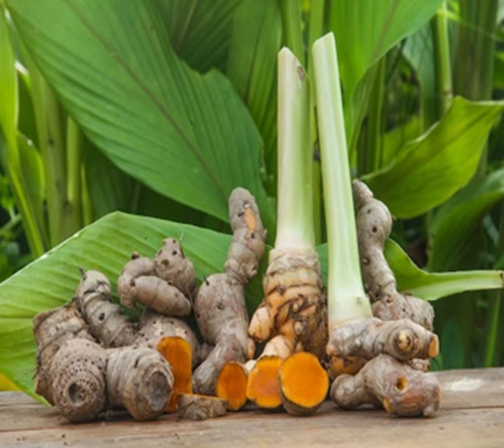
Curcuma longa (Shynrai): The Golden Healer
Curcuma longa, commonly known as turmeric, is abundantly cultivated in Meghalaya and other parts of Northeast India. Celebrated as both a spice and a medicinal plant, turmeric owes much of its therapeutic value to curcumin, a powerful bioactive compound belonging to the curcuminoid group. The plant also contains volatile oils, polysaccharides, and other secondary metabolites.
Parts Used
- Rhizomes
- Young shoots
- Leaves
Traditional Uses
- Relief from stomach ailments
- Blood purification
- Treatment of colds and sore throats
- Antiseptic applications
- Management of diabetes and certain skin conditions
Turmeric remains one of the most extensively researched medicinal plants due to its broad spectrum of biological activities.
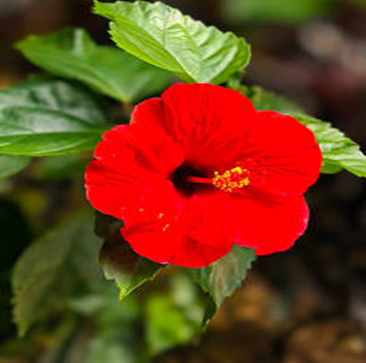
Hibiscus rosa-sinensis (China Rose): The Vibrant Medicinal Flower
The beautiful Hibiscus rosa-sinensis, commonly known as China Rose, is widely found in Assam and Arunachal Pradesh. Beyond its ornamental value, this species is rich in flavonoids, anthocyanins, tannins, and saponins. Important phytochemicals include quercetin-3-diglucoside, cyanidin-3-sophoroside, rutin, and kaempferol.
Parts Used
- Flowers
- Leaves
- Roots
Traditional Uses
- Treatment of alopecia
- Relief from burning sensations
- Management of menstrual disorders
- Treatment of piles and bronchial conditions
The plant’s antioxidant-rich profile makes it a valuable component of traditional herbal formulations.
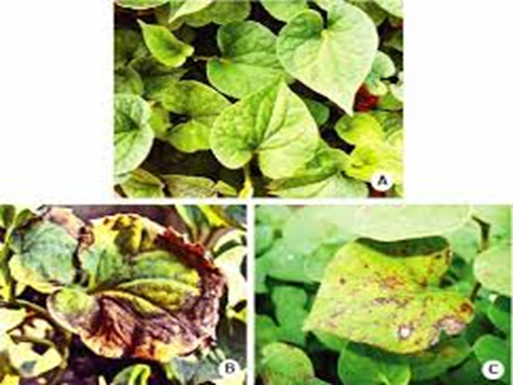
Houttuynia cordata (Toningkhok): The Multifunctional Medicinal Herb
Houttuynia cordata, locally known as Toningkhok, is distributed across Assam, Meghalaya, Manipur, Mizoram, Arunachal Pradesh, Nagaland, and Sikkim. It contains a rich mixture of volatile oils, flavonoids, and alkaloids, including decanoyl acetaldehyde, 2-undecanone, quercetin, isoquercitrin, and rutin. These compounds contribute to its antiviral, antibacterial, anti-inflammatory, and antioxidant activities.
Parts Used
- Entire plant
- Fresh leaves
- Rhizomes
Traditional Uses
- Treatment of dysentery
- Management of stomach ulcers
- Relief from muscular sprains
- Improvement of digestion
- Support in controlling high blood pressure
This versatile herb is commonly consumed both as food and medicine in several Northeastern communities.
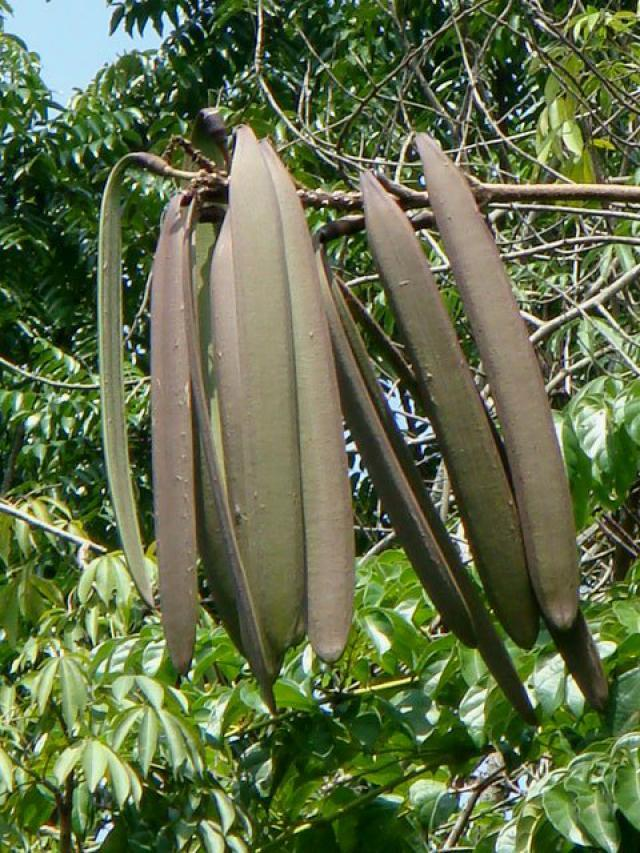
Oroxylum indicum (Bhatghila or Tona): The Tree of Traditional Healing
Oroxylum indicum, known locally as Bhatghila or Tona, is primarily found in Manipur, Tripura, and Mizoram. The species is rich in flavonoids such as baicalein, oroxylin A, chrysin, and scutellarin, which are associated with numerous pharmacological activities.
Parts Used
- Bark
- Tender fruits
- Seeds
Traditional Uses
- Treatment of fever
- Relief from diarrhea
- Management of rheumatism
- Treatment of stomach ulcers
Due to its medicinal significance, Oroxylum indicum is regarded as an important species in traditional healthcare practices across India.
Conclusion
The herbal wealth of Northeast India represents a valuable repository of traditional knowledge and biodiversity. Plants such as Centella asiatica, Curcuma longa, Hibiscus rosa-sinensis, Houttuynia cordata, and Oroxylum indicum continue to contribute to healthcare, nutrition, and cultural traditions across the region. As scientific research increasingly validates their medicinal potential, conserving these species and promoting sustainable utilization become essential for safeguarding both biodiversity and indigenous knowledge systems.
Author: Amesha Susanna Mawthoh, M.Sc. Botany