contact@dbuniversity.ac.in
  09476 690 950/ 08011 403 982
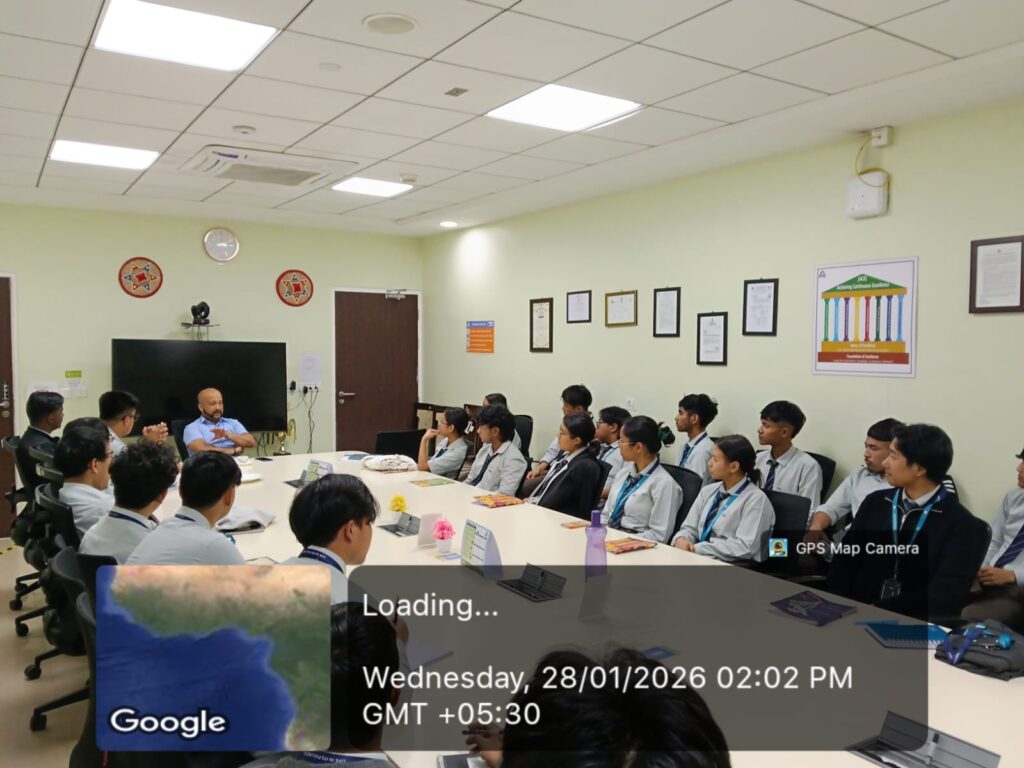
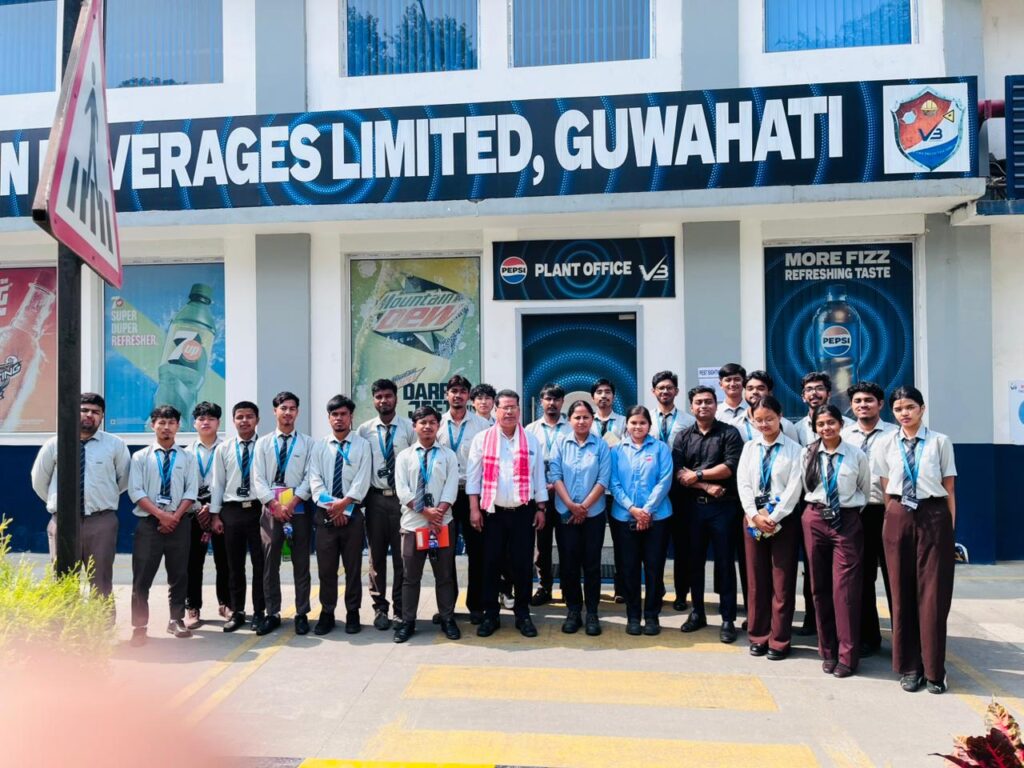
An industrial visit was organized for the BBA 5th-semester students to ITC Limited, located in Guwahati, on 28th Jan, 2026. The visit was arranged, coordinated and supervised by Dr. Rashmita Barua, Associate Professor, Department of Management, Assam Don Bosco University. The students were accompanied by Ms Rubi Haloi, Assistant Professor, Department of Management, Assam Don Bosco University.
This visit provided the students with a unique opportunity to gain practical exposure to the workings of an industrial plant, particularly focusing on the manufacturing sector. The resource person for the visit was the Plant Head, HR Cluster head, Production officer who, along with various sectional heads, guided the students throughout the tour.
Purpose of Visit: To observe the manufacturing process and understand the operational details of ITC’s biscuit production along with snacks production, focusing on its food product line.
ITC, known for its diverse portfolio across industries, manufactures biscuits under the “Sunfeast” brand. Here’s an outline of the biscuit-making process at ITC:
- Ingredient Sourcing and Quality Control
- ITC sources high-quality ingredients, including flour, sugar, fat, and flavors, from trusted suppliers. These ingredients undergo rigorous quality control checks to ensure they meet the company’s standards.
- Dough Preparation
- The ingredients are precisely weighed and blended to make the dough. ITC uses advanced mixing machines to ensure consistency. The dough is often rested for a short period, allowing ingredients to blend properly.
- Sheeting and Molding
- The dough is rolled out into sheets of the desired thickness, depending on the biscuit type. The sheets are then molded or stamped into shapes, often using customized molds that can feature designs or brand logos.
- Baking
- The shaped dough moves on a conveyor belt through a tunnel oven. The temperature and baking time are carefully controlled to achieve the desired texture and color. ITC uses specialized ovens to produce a range of biscuits, from crispy to chewy textures.
- Cooling
- After baking, biscuits are gradually cooled on conveyor belts to prevent breakage. This step also helps maintain their texture and ensures they retain their freshness.
- Quality Testing
- Each batch undergoes quality testing to check for taste, texture, moisture content, and color. ITC has strict quality protocols, with automated sensors and human testers assessing the biscuits at various stages.
- Packaging
- The biscuits are packed in moisture-resistant, hygienic packaging to keep them fresh. ITC uses automated packaging lines to seal biscuits in packages of various sizes, catering to different market demands.
- Distribution
- After packaging, the biscuits are distributed across India and to export markets, ensuring timely delivery to retail outlets, e-commerce platforms, and distributors.
ITC adheres to Kaizen and 5S principles in its biscuit-making operations to ensure continuous improvement and maintain high standards of efficiency, safety, and quality.
1. Kaizen
- Kaizen, meaning “continuous improvement,” is central to ITC’s production philosophy. ITC encourages its employees to identify small, incremental improvements in the biscuit-making process. This culture of continuous improvement enables ITC to optimize production speed, enhance quality, and reduce waste at every stage, from ingredient handling to packaging.
- Regular feedback sessions and employee training foster a proactive environment where staff are encouraged to suggest improvements, which helps ITC stay competitive and responsive to market demands.
2. 5S Principles
ITC also implements the 5S methodology—Sort, Set in Order, Shine, Standardize, and Sustain—to create a structured and efficient work environment:
- Sort (Seiri): ITC removes unnecessary items from work areas, ensuring that only essential tools and materials are present, reducing clutter and improving efficiency.
- Set in Order (Seiton): Tools, equipment, and materials are organized and labeled to ensure quick access, minimizing downtime and errors.
- Shine (Seiso): The facility is cleaned and inspected regularly, which is especially crucial in food production to maintain hygiene and prevent contamination.
- Standardize (Seiketsu): Standardized procedures are developed for all processes, from mixing and baking to packaging, ensuring consistency across batches.
- Sustain (Shitsuke): ITC emphasizes discipline in adhering to these practices, with routine audits and staff training sessions to maintain and reinforce these standards.
ITC’s Production Process of Bingo! Tedhe Medhe
1. Ingredient Selection and Quality Control
- Bingo! Tedhe Medhe is made from a mix of rice, corn, and gram (chickpea flour). ITC sources these ingredients from trusted suppliers and ensures they pass strict quality control checks for consistency, texture, and freshness. Additional flavoring ingredients, like spices and seasonings, are also selected with care.
2. Grinding and Mixing
- The rice, corn, and gram are ground into fine flours. These flours are then blended in precise proportions to create the base mixture for Tedhe Medhe. The mix is combined with water and other binding agents to form a dough-like consistency that can be molded into the snack’s shape.
3. Dough Preparation and Shaping
- The dough is kneaded and prepared for shaping. ITC uses special machines that extrude and twist the dough, creating Tedhe Medhe’s unique spiral and irregular shapes. These shapes are a key part of the product’s identity, making each piece crunchy and visually distinctive.
4. Frying
- The shaped dough pieces are fried at carefully controlled temperatures in high-quality oil. The frying process is calibrated to ensure the snacks are evenly cooked and achieve a crisp, light texture without excessive oil absorption.
5. Seasoning
- After frying, the pieces are seasoned with a blend of spices and flavors, which may include tangy, spicy, and savory notes that Bingo! Tedhe Medhe is known for. The seasoning is applied in tumbling machines that coat each piece evenly to create a consistent flavor profile.
6. Cooling
- The seasoned snacks are gradually cooled to room temperature. This cooling process is essential for maintaining their crisp texture and preventing moisture buildup inside the packaging.
7. Quality Testing
- Each batch undergoes strict quality testing, checking for taste, crispness, shape, and seasoning distribution. Both automated sensors and human testers assess the product to meet ITC’s high-quality standards, ensuring the final product is consistent in taste and texture.
8. Packaging
- The cooled, seasoned snacks are packed in moisture-resistant bags, which keep them fresh and crunchy. ITC’s automated packaging lines ensure each packet is accurately weighed, sealed tightly, and properly labeled for quality assurance.
9. Distribution
- Once packaged, Bingo! Tedhe Medhe, Mad Angles packets are distributed across ITC’s extensive network, reaching retail stores, supermarkets, and e-commerce platforms across India.