contact@dbuniversity.ac.in
  09476 690 950/ 08011 403 982
Date: 18th May, 2026 (Monday)
Location: Dept. of Psychology, ADBU
Type of Activity: Student Development Workshop & Interactive Learning Session
Resource Persons: Dr. Tuyir Riba, Asst. Professor, Dept. of Psychology, ADBU & Ms. Krishnapriya Wangkhem, Asst. Professor and Counsellor, Dept. of Psychology, ADBU
Participants: MSc 2nd Semester Students
Student Engagement & Learning Report
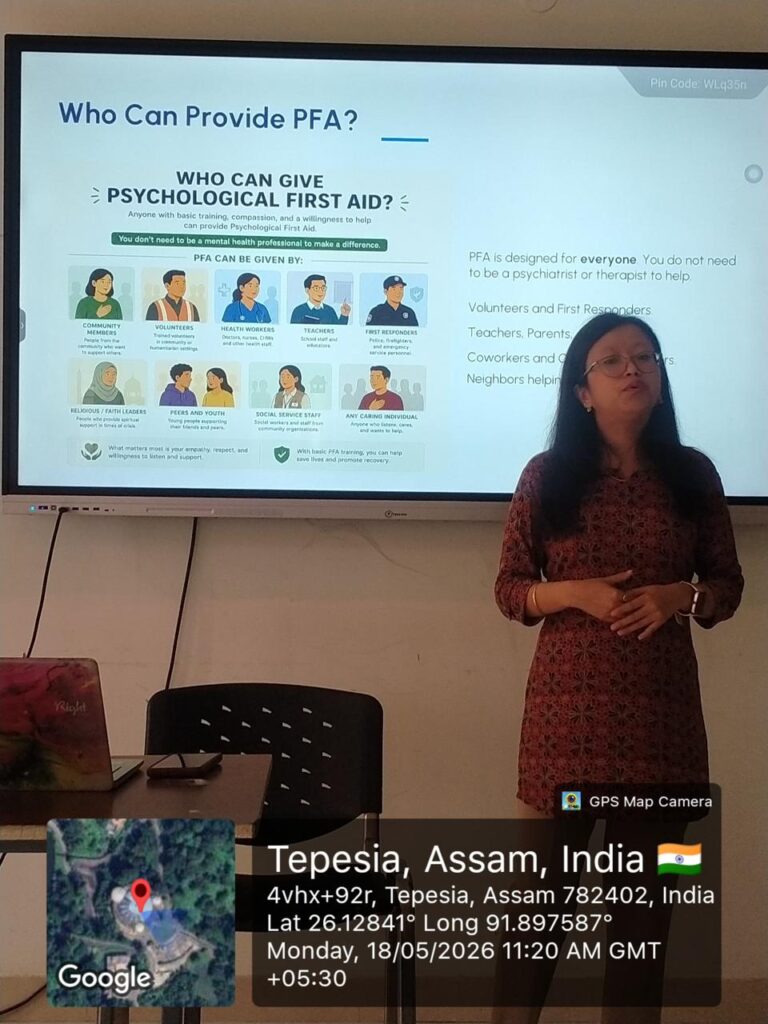
A workshop on Psychological First Aid (PFA) was conducted by Ms. Krishnapriya Wangkhem and Dr. Tuyir Riba to provide participants with practical knowledge and skills for offering immediate emotional and psychological support during crises. The workshop focused on understanding Psychological First Aid as a humane and supportive response aimed at reducing distress, promoting safety, and fostering resilience among individuals affected by difficult situations.
The session began with an introduction to the concept of Psychological First Aid, emphasizing that PFA is not professional counselling or therapy, but rather an approach centered on immediate stabilization, safety, and practical support. The facilitators highlighted that Psychological First Aid can be provided by anyone, including teachers, parents, students, volunteers, community leaders, and first responders.
During the workshop, participants were introduced to the importance and impact of PFA in crisis situations. The presenters discussed both the short-term and long-term benefits of Psychological First Aid, such as reducing distress, restoring a sense of control, preventing long-term psychological difficulties, and strengthening resilience within communities. The workshop also explained appropriate situations and settings for providing PFA, stressing that safety and basic needs should always remain the priority. The facilitators further elaborated on common physical and emotional reactions experienced during crises, including fear, shock, fatigue, sleep disturbances, sadness, and anger. Theoretical foundations, such as Maslow’s Hierarchy of Needs, were discussed to help participants understand the importance of addressing physiological and safety needs before emotional recovery can occur. Another major highlight of the workshop was the discussion of practical frameworks used in Psychological First Aid, particularly the “Look, Listen, Link” approach. Participants learned how to assess safety and distress, listen empathetically to individuals, and connect them with necessary resources and support systems. Ethical guidelines for Psychological First Aid were also emphasised, including respect for privacy, cultural sensitivity, honesty, and the empowerment of individuals in distress. The workshop also addressed the concept of Emotional First Aid and psychological hygiene for daily resilience. Participants were encouraged to recognise emotional wounds such as loneliness, rejection, and failure, and to adopt supportive coping strategies for emotional well-being.
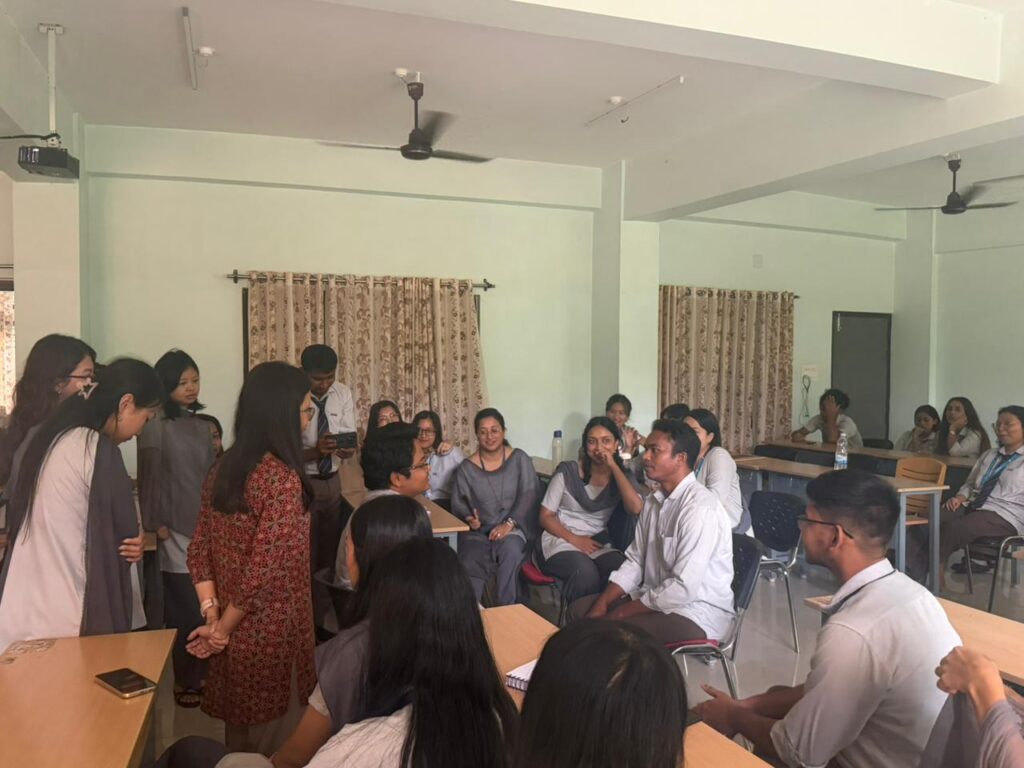
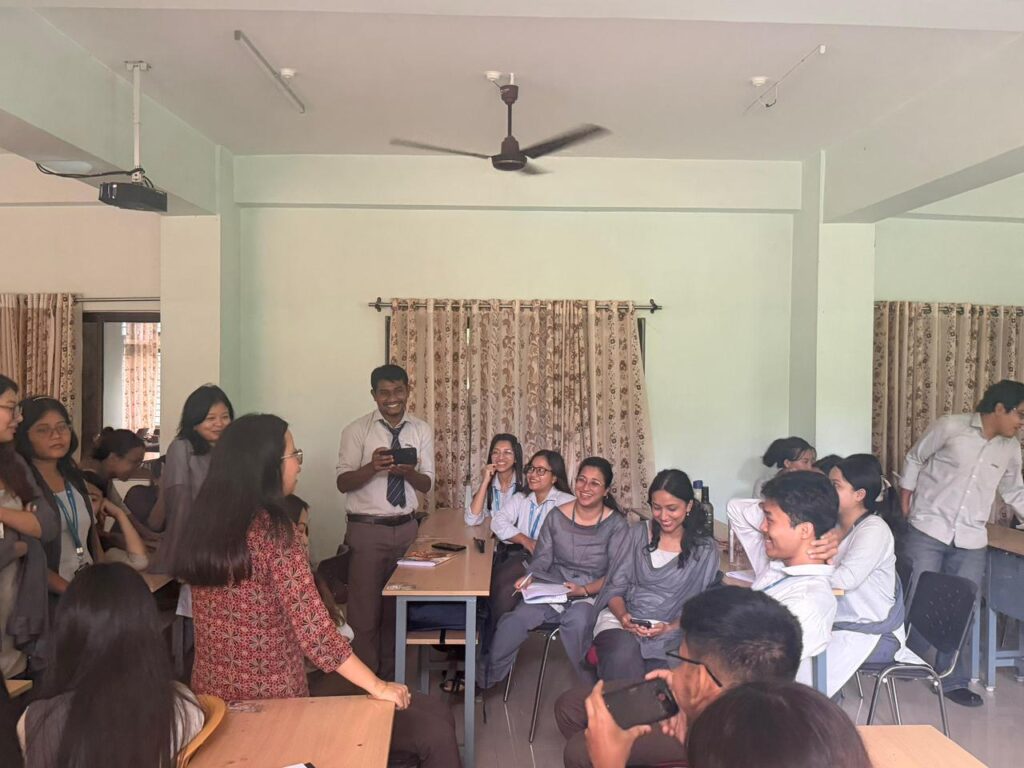
To make the session interactive and experiential, role play activities and reflective listening exercises were conducted towards the end of the workshop. These activities provided participants with an opportunity to practice empathetic communication and active listening skills in simulated crisis situations. The role plays ensured enthusiastic participation from the students and helped them better understand the practical application of Psychological First Aid principles in real-life contexts. Overall, the workshop was highly informative and engaging, equipping participants with essential skills to respond compassionately and effectively during times of emotional distress and crisis.