contact@dbuniversity.ac.in
  09476 690 950/ 08011 403 982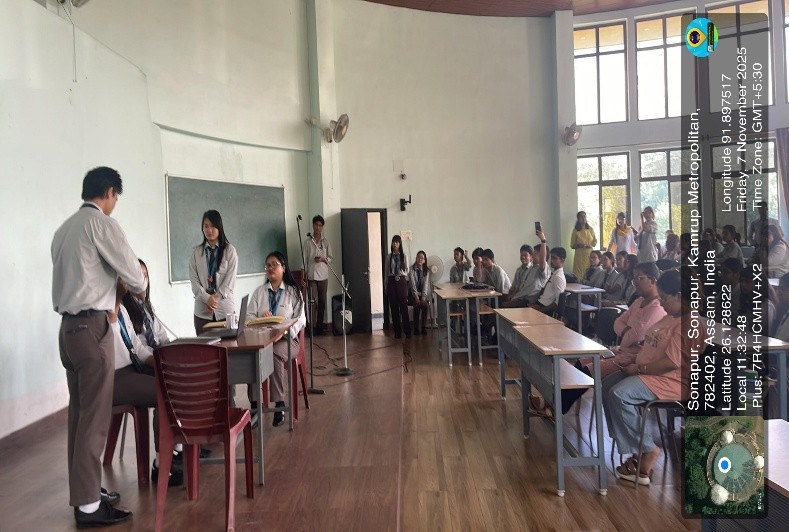
Date: 7th November 2025 (Friday)
Time: 11:00 AM
Venue: Block II, Room No. 205
Organised by: Department of Psychology
Coordinators: Ms. Kamakshi Chakravarty and Ms. Chandrani Goswami
In Collaboration with: Samskara- Mental Imprints Shaping Behaviour and The Journal Club
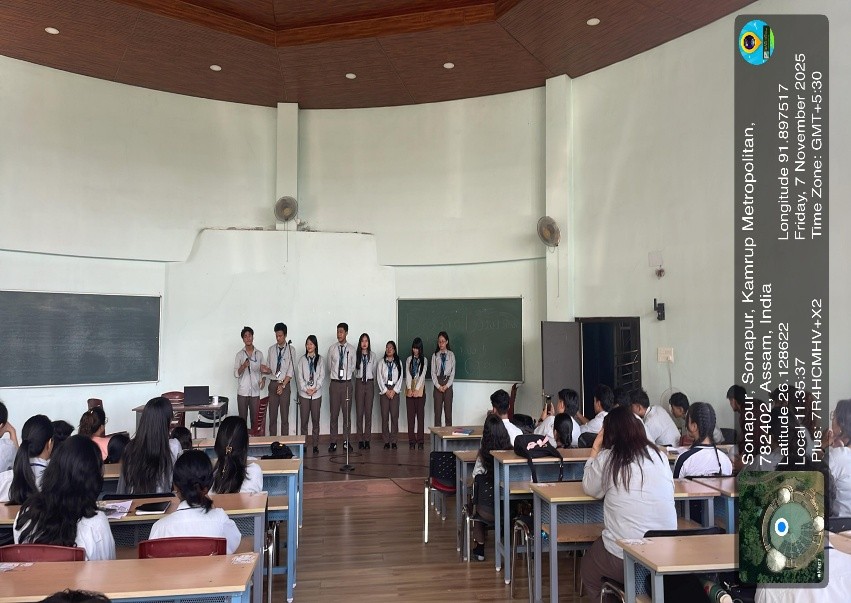
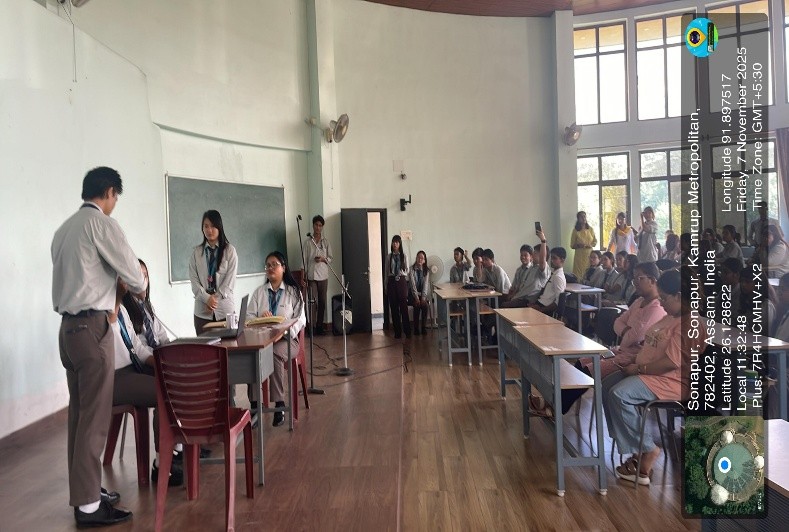
As part of the B.A. 5th Semester Course Paper (Minor)- Youth, Gender and Identity (PCYG308T), the Department of Psychology organised a stage play titled “Breaking Boundaries: The Game of Equality” on 7th November 2025. The event was conceptualised as an extension and intervention activity aimed at fostering awareness, dialogue and reflection on issues related to gender and identity.
Objective of the Programme
The primary objective of the stage play was to bridge classroom learning with experiential understanding. By using performance as a medium of communication, the event sought to address real-world gender dynamics, challenge stereotypes and promote inclusion and empathy through creative engagement.
Themes of the Play
The play revolved around three central themes, each addressing significant dimensions of gender-based inequality and social perception:
- Gender Discrimination Against Men: This segment highlighted how men, too, can face forms of gender bias rooted in societal expectations and restrictive norms of masculinity. It addressed issues such as emotional suppression; unequal parental rights and the stigma associated with men expressing vulnerability.
- Sports Inclusion: This theme explored gender disparity in the field of sports, questioning traditional notions of certain games being “male” or “female.” The scenes promoted equal representation, opportunity and encouragement for all genders in athletic participation and leadership.
- Workplace Inequality: The third theme examined unequal opportunities and challenges faced in professional spaces, including the gender pay gap, underrepresentation in leadership positions and biased expectations that continue to define workplace dynamics.
Event Overview
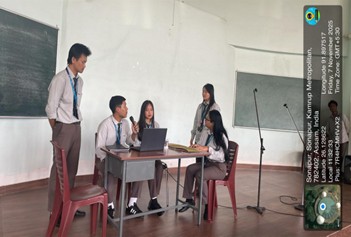
The stage play was conceptualised, scripted and performed by students of B.A. 5th Semester Psychology, who showcased exceptional teamwork, creativity and critical understanding of the course concepts. The performance combined dramatic storytelling, realistic dialogues and reflective moments that connected deeply with the audience.
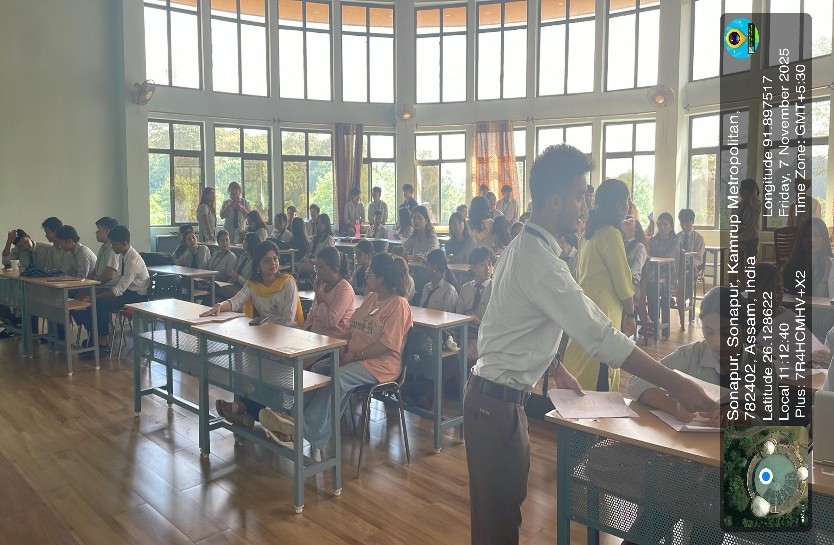
A key highlight of the programme was the intervention segment, where the student audiences were given a self-prepared questionnaire both before and after the play. The questionnaire aimed to assess their initial perspectives and the subsequent shift in awareness and attitudes toward gender equality following the performance. This research-oriented component added an empirical dimension to the event, reinforcing the role of theatre as a medium of psychological and social intervention.
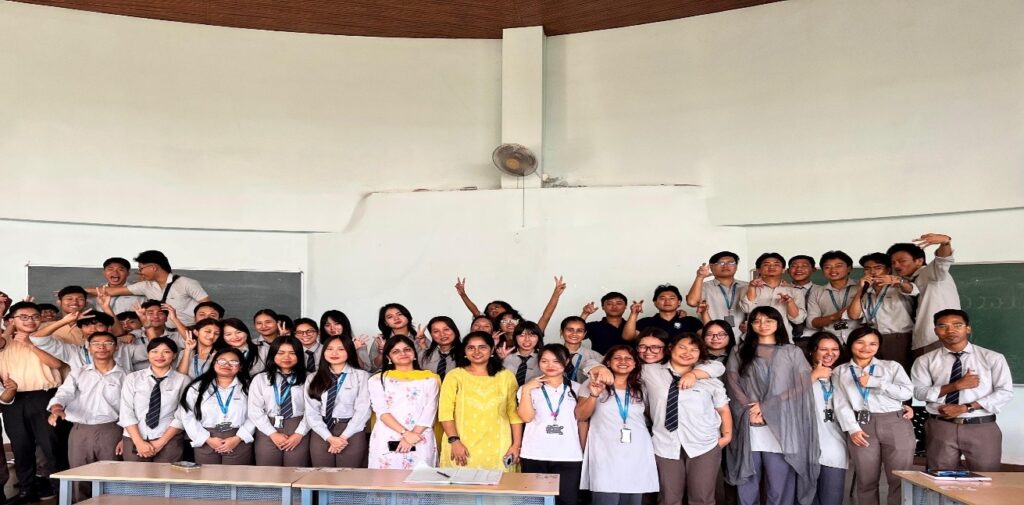
The event also engaged students from other departments, fostering interdepartmental interaction and collective learning on issues of gender and identity.
Outcome
The stage play received an overwhelming response from both students and faculty members. It served as a platform for reflection and conversation on the multifaceted nature of gender issues. The pre- and post-questionnaire analysis revealed a positive change in participants’ understanding and sensitivity toward gender inclusivity, validating the success of the play as an impactful learning and awareness tool.
Through “Breaking Boundaries: The Game of Equality”, the Department of Psychology successfully demonstrated how academic learning can transcend classroom boundaries and become a catalyst for social change. The event enriched students’ understanding of gender and identity while nurturing empathy, collaboration, and social awareness.
Conclusion
The stage play was not merely a creative performance but a meaningful educational intervention that blended theory, practice and social relevance. It exemplified how psychological education can be applied to real-life contexts to bring about attitudinal change and understanding. The Department reaffirmed its commitment to integrating education, creativity and community engagement to promote inclusivity and equality in society.