contact@dbuniversity.ac.in
  09476 690 950/ 08011 403 982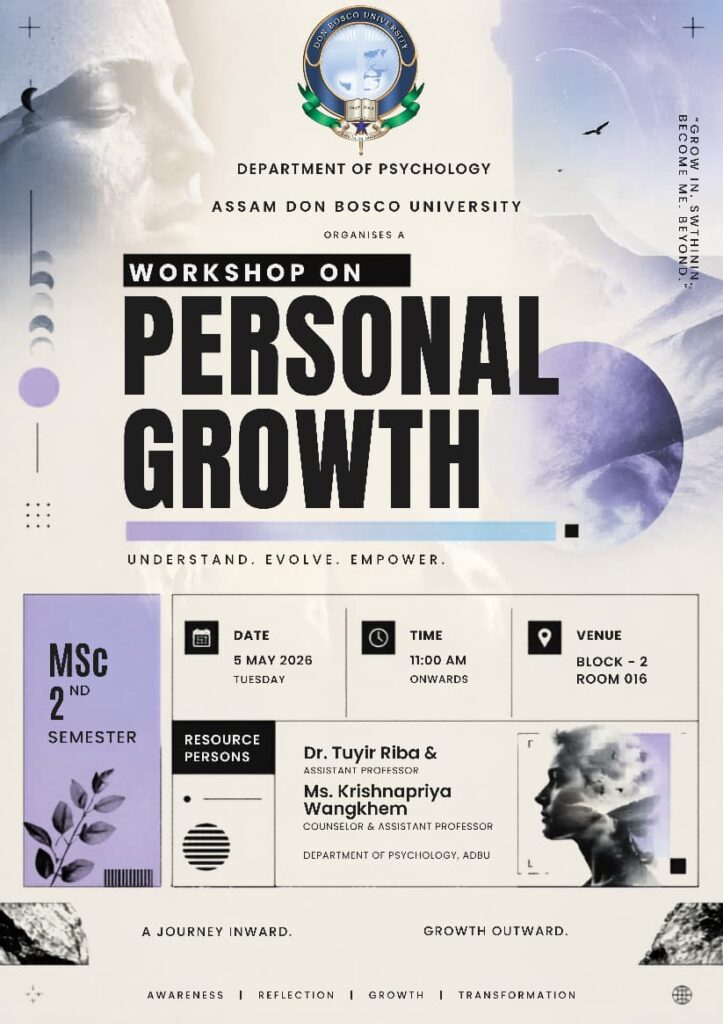
For: MSc 2nd Semester Students
Venue: Room 016, Block 2
Type of Activity: Student Development Workshop & Interactive Learning Session
Resource Persons: Dr. Tuyir Riba, Asst. Professor, Dept. of Psychology, ADBU & Ms. Krishnapriya Wangkhem, Asst. Professor and Counsellor, Dept. of Psychology, ADBU
Student Engagement & Learning Report
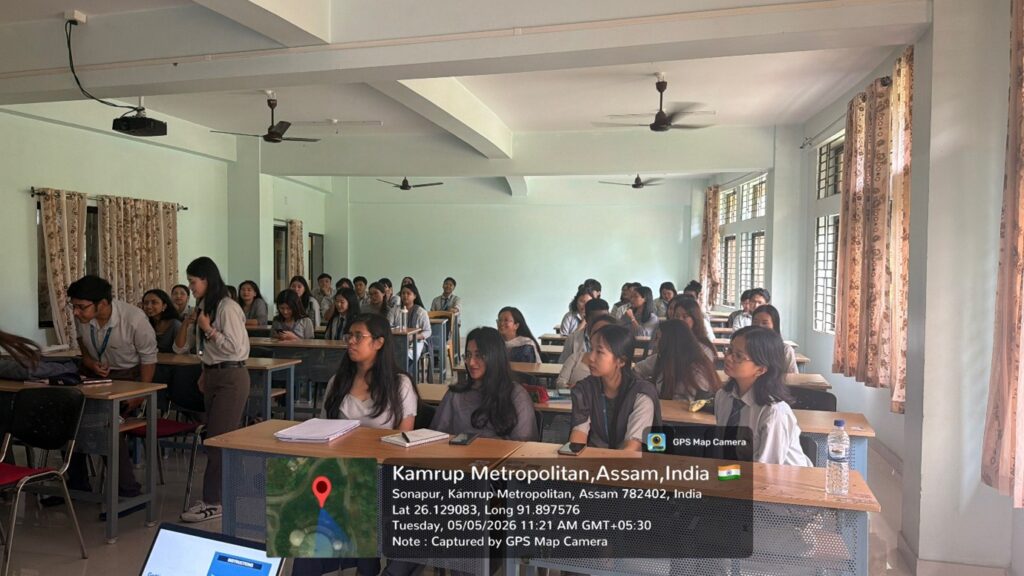
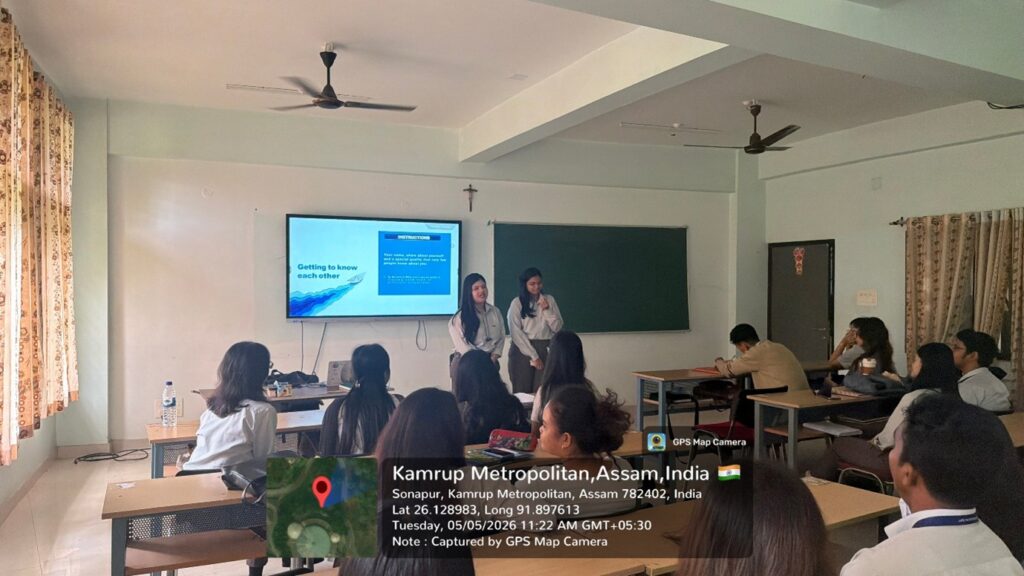
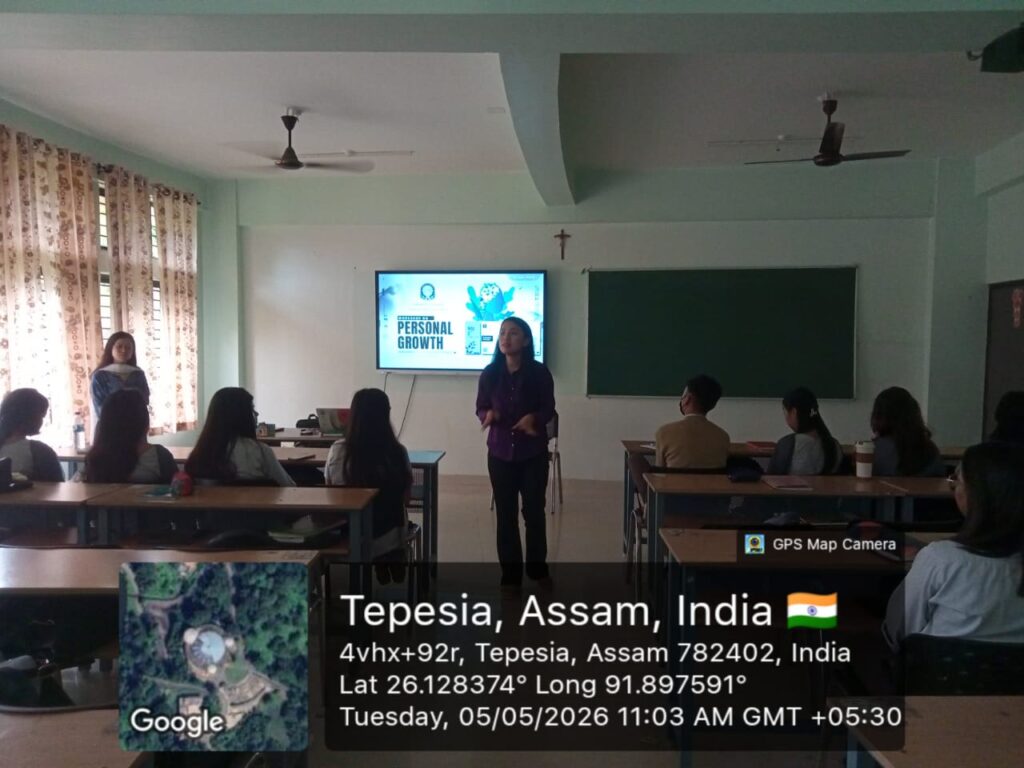
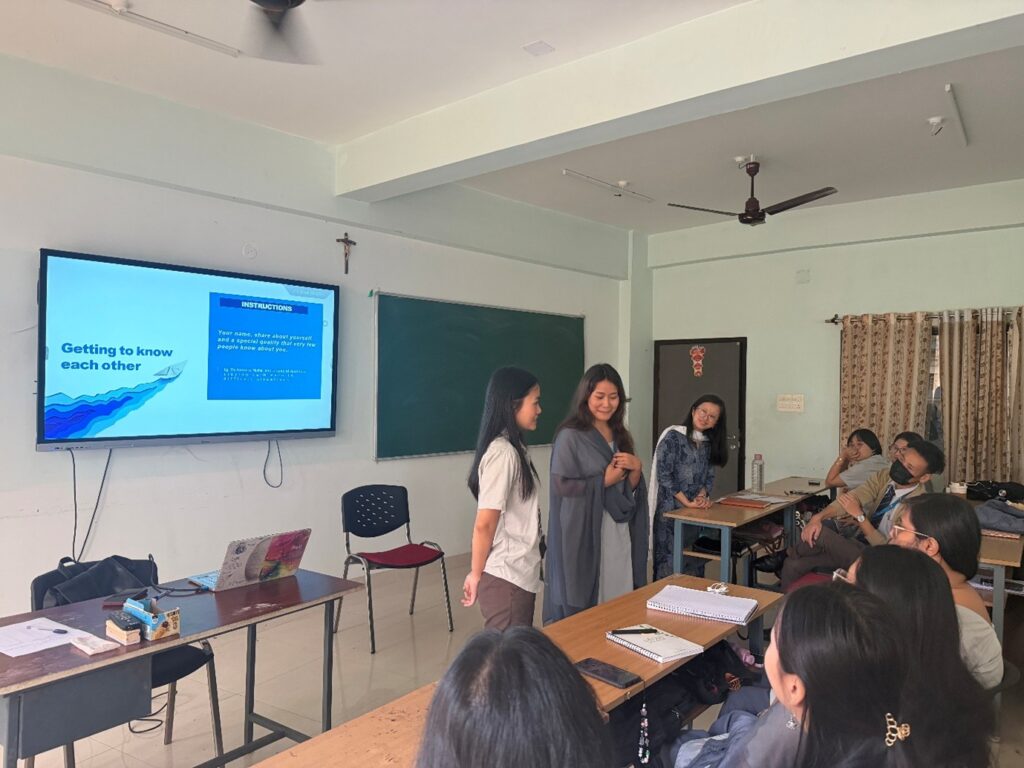
The Department of Psychology organised a Workshop on Personal Growth for M.Sc. Psychology students to promote personal development among students. The session was led by Dr. Tuyir Riba, Assistant Professor, Department of Psychology, and Ms Krishnapriya Wangkhem, Asst. Professor and Counsellor, who facilitated the activities and guided students through reflective discussions and interactive exercises. The session commenced with engaging ice-breaking activities that encouraged participation and interaction among students.
Dr. Tuyir Riba facilitated and covered important themes related to personal growth and psychological well-being, including self-awareness, career decisions, life vision, and goal setting. Interactive activities such as the Johari Window exercise were conducted to help students better understand their strengths, blind spots, and interpersonal perceptions. The session on life vision and goal setting encouraged students to reflect on their aspirations, personal values, and future plans, and helped them clarify their short and long-term goals. A strategy session on SMART goal-setting was also conducted to help students gain greater career clarity and develop structured plans for future action. The concept of SMART goals: Specific, Measurable, Achievable, Relevant, and Time-bound was explained. This framework can support the students in effective decision-making and career planning. Guidance on Career opportunities after a Master’s was also provided, with a focus on academia, research, and clinical fields. This helped them clear doubts related to UGC-NET(JRF), GATE and other related exams. Further information on a career in clinical and counselling settings was briefly explained by Ms Krishnapriya Wangkhem.
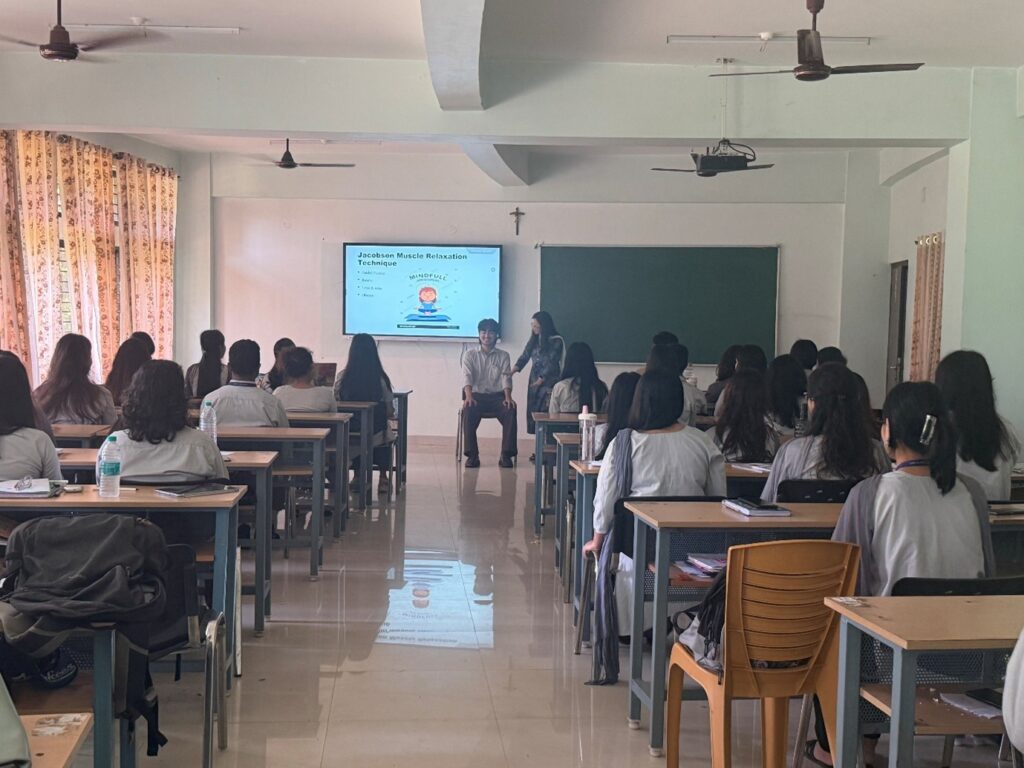
A relaxing session on JPMR was also conducted by Ms Krishnapriya Wangkhem. The concept of Progressive Muscle Relaxation was introduced. Students were then guided through a step-by-step JPMR exercise in a calm and comfortable environment. They were instructed to sit comfortably, focus on their breathing, and sequentially tense and relax different muscle groups of the body, beginning from the feet and gradually moving upwards towards the face and shoulders. Each muscle group was intentionally tightened for a few seconds and then slowly relaxed, allowing students to notice the contrast between tension and relaxation.
Throughout the activity, students were encouraged to pay attention to bodily sensations, breathing patterns, and feelings of relaxation. The facilitator used calm verbal guidance to help participants remain focused and mindful during the exercise. The activity helped students experience physical relaxation and increased body awareness, highlighting the effectiveness of JPMR as a practical self-care and stress management technique.
The workshop concluded with reflection-sharing by students, where participants expressed their learning experiences, insights, and personal takeaways from the session.
Impact Analysis
The workshop created a positive and engaging learning environment that encouraged students to reflect on their personal development and future aspirations. The interactive nature of the session fostered active participation and meaningful peer interaction. The measurable outcomes include:
- Active student participation throughout the workshop activities
- Increased awareness regarding self-growth and emotional understanding
- Improved clarity among students regarding life goals and personal vision
- Positive engagement during the Johari Window and reflective exercises
- Constructive feedback highlighting the relevance and usefulness of the session
- Strengthened sense of motivation, confidence, and self-understanding among participants
The reflections shared by students at the end of the session indicated that the workshop was engaging, meaningful, and beneficial for their self-development and emotional growth. The programme successfully contributed towards fostering holistic personal development among postgraduate students.